



Table of Contents
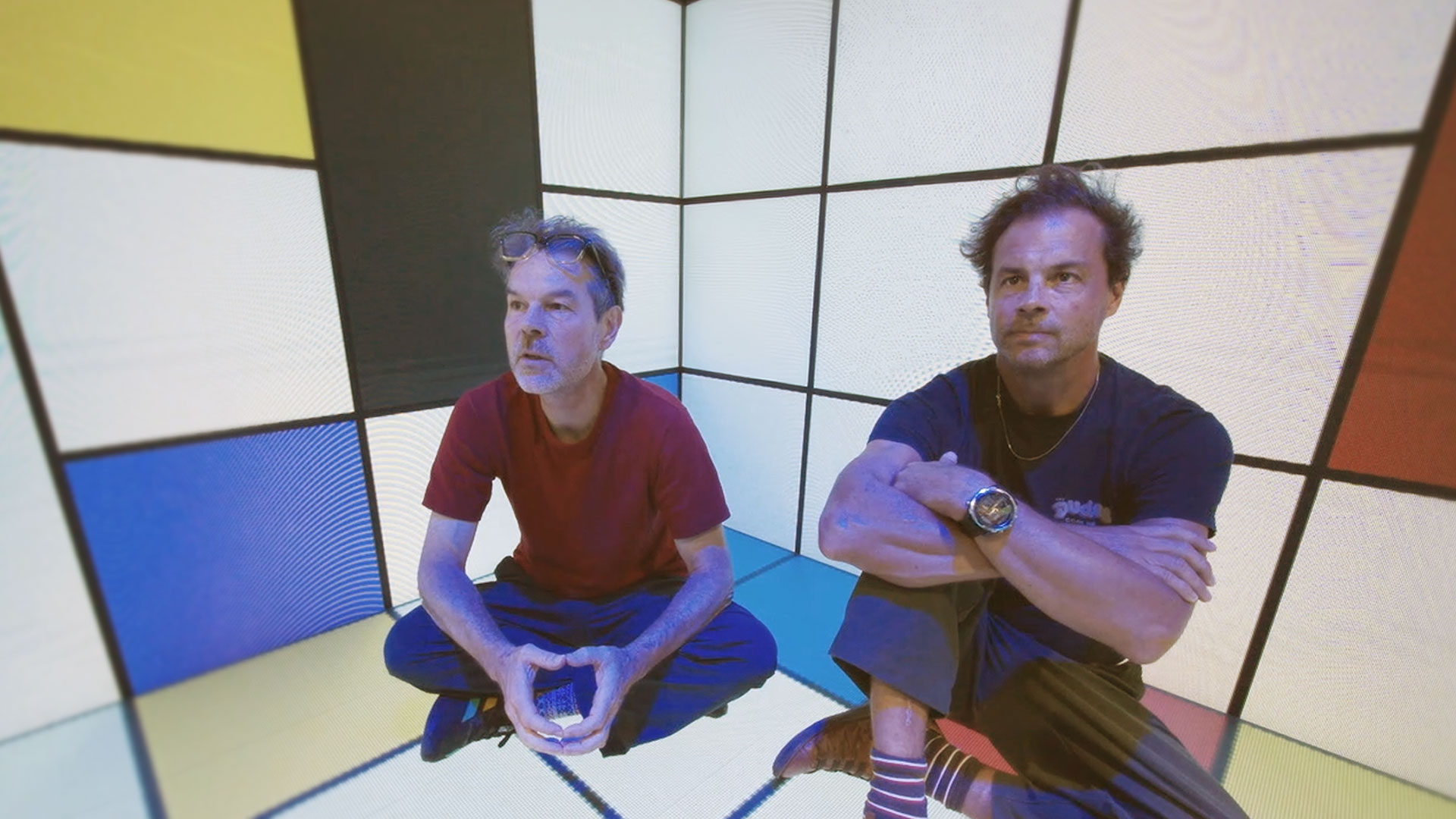
Making-of of the installation
Discover the artists’ interview and behind-the-scenes footage of the installation.
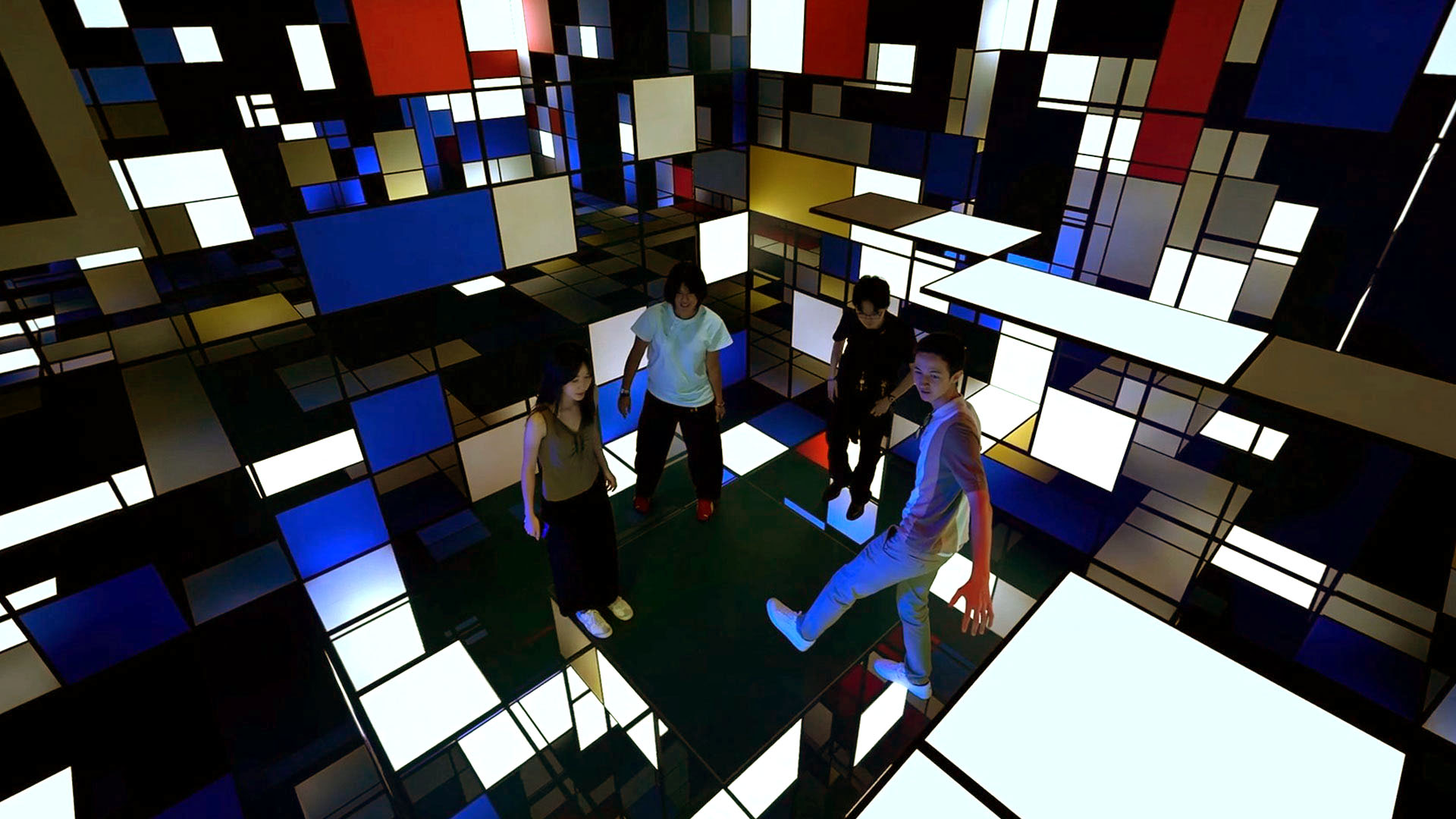
Video memento of the installation
Discover the video that visitors receive at the end of their experience of the installation.
Concept
New technologies, digital photography, smartphones, social media, and even generative AI, sometimes lead us to prioritize the representation of our experience over the experience itself. As a result, the pleasure of a lived experience becomes inseparable from the pleasure of representing it and of sharing it with others. Moreover, spaces that are truly lived in tend to fade in favor of represented spaces: we can no longer always tell whether the background of a photographic portrait or a video call is real or virtual. We eventually stop questioning our actual presence within a space, or even the reality of that space.
The installation « Introspection » questions the influence of new technologies on our perceptions, our behaviors, our social relationships, and our relationship with the real world, in particular through the increasingly blurred boundary between real space and represented space.
Inside the installation, we are both spectators and actors: our presence and our movements become an integral part of the installation.
The video we receive at the end of our experience also bears witness to this participation.
Do we feel that we exist more within the represented space than within the real space? Do we feel that we are no longer simply facing a screen that represents us, but entering that screen and becoming an integral part of the space of representation?
Installation and Artistic Content
Installation
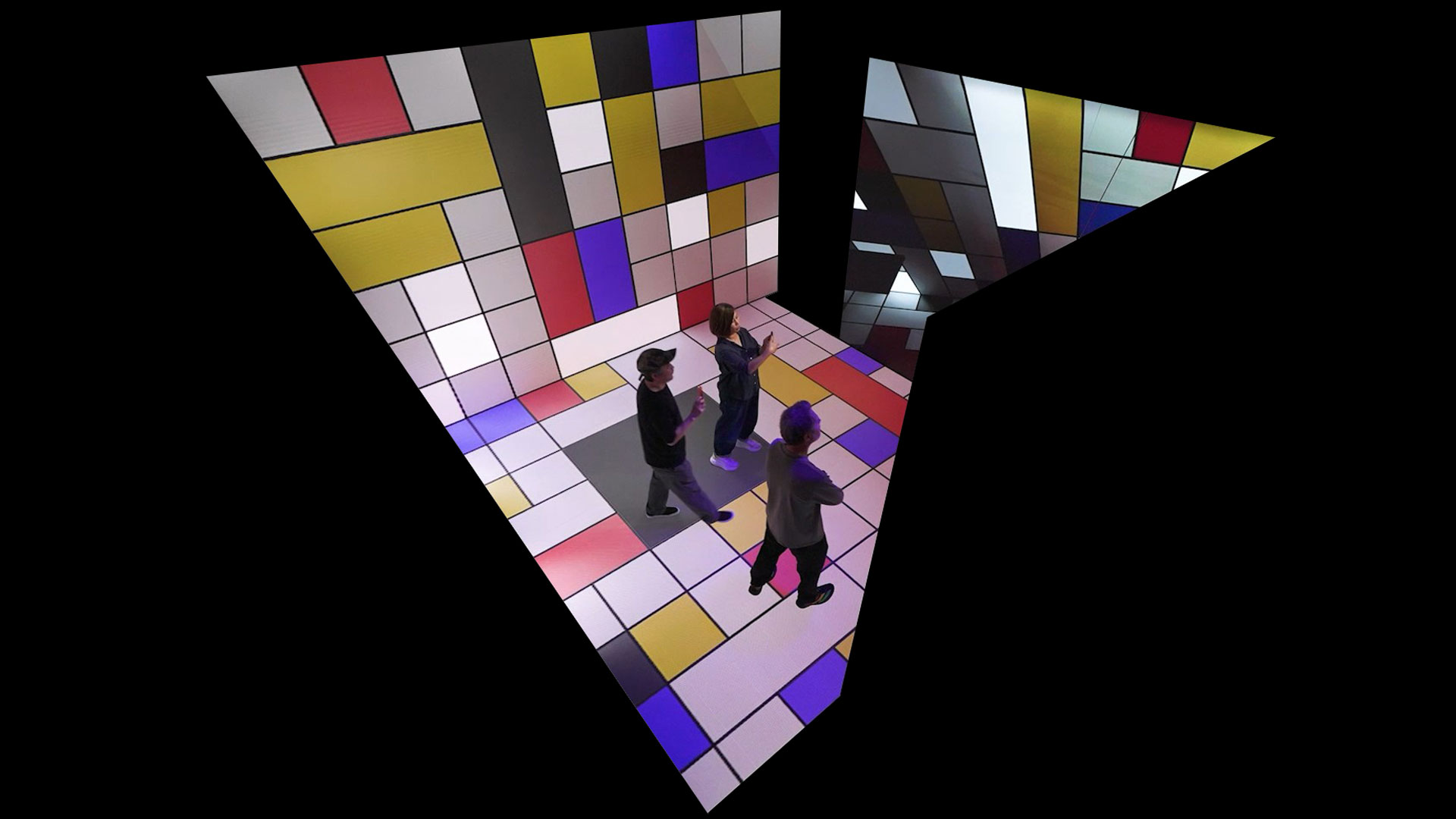
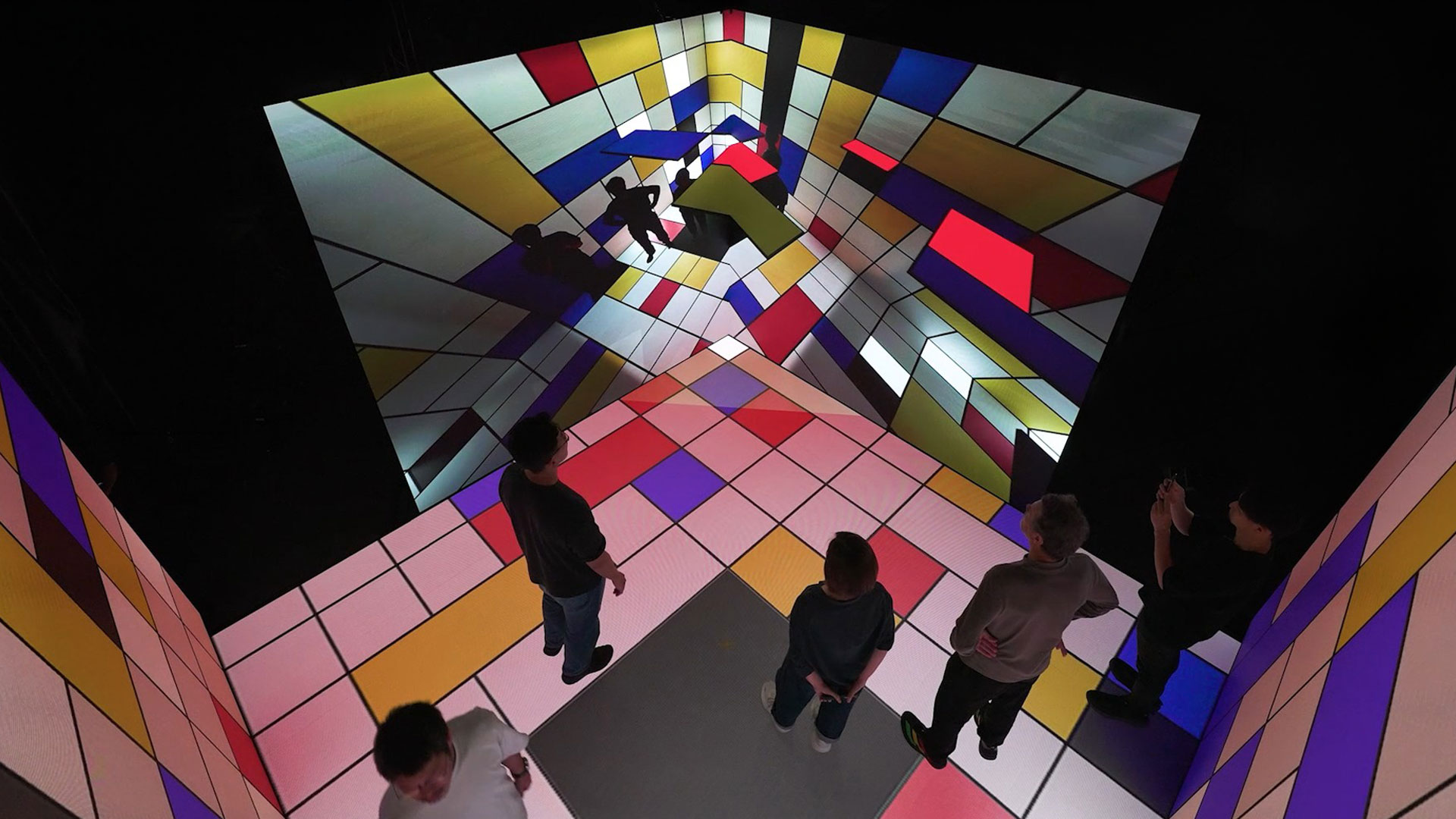
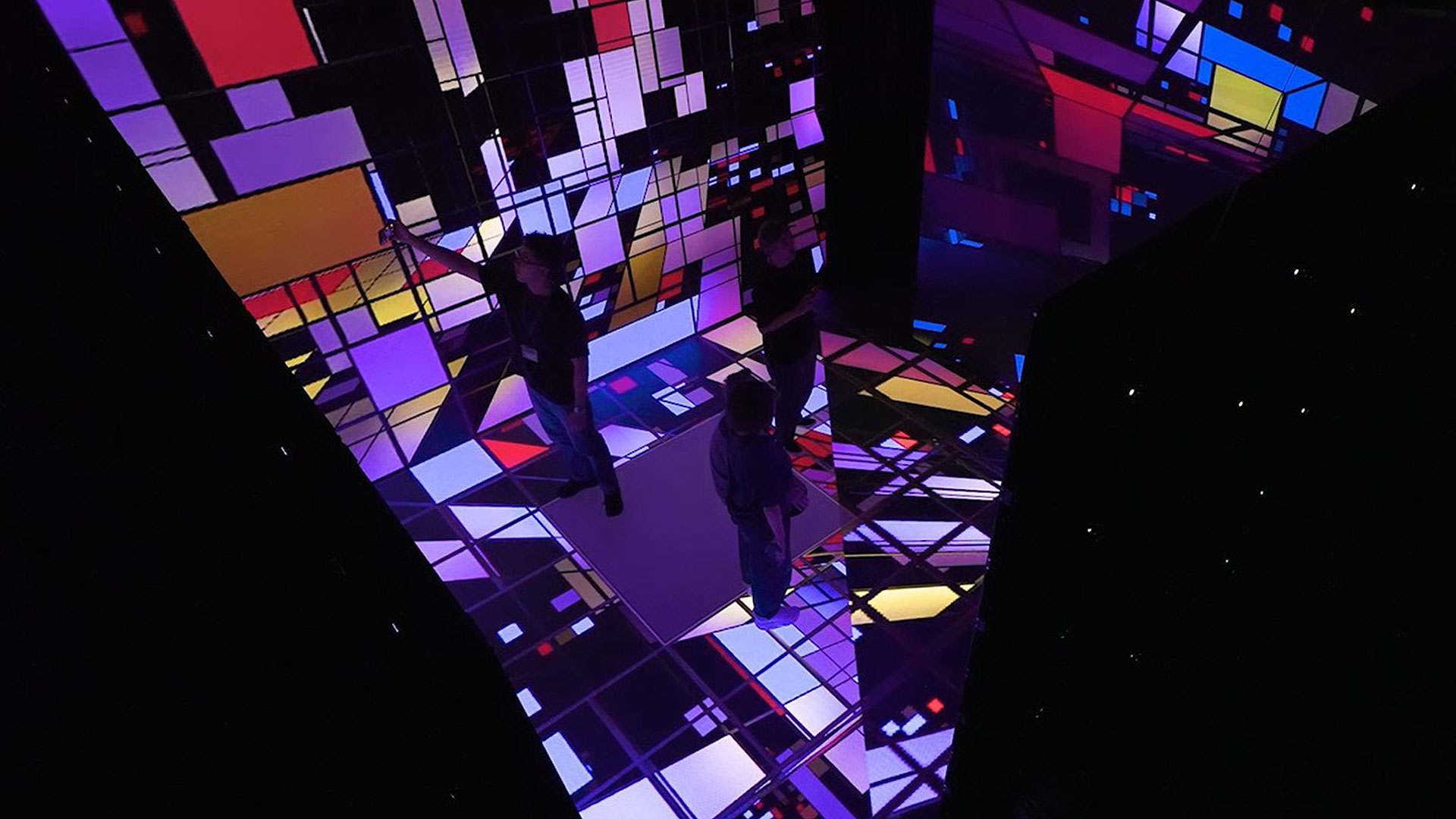
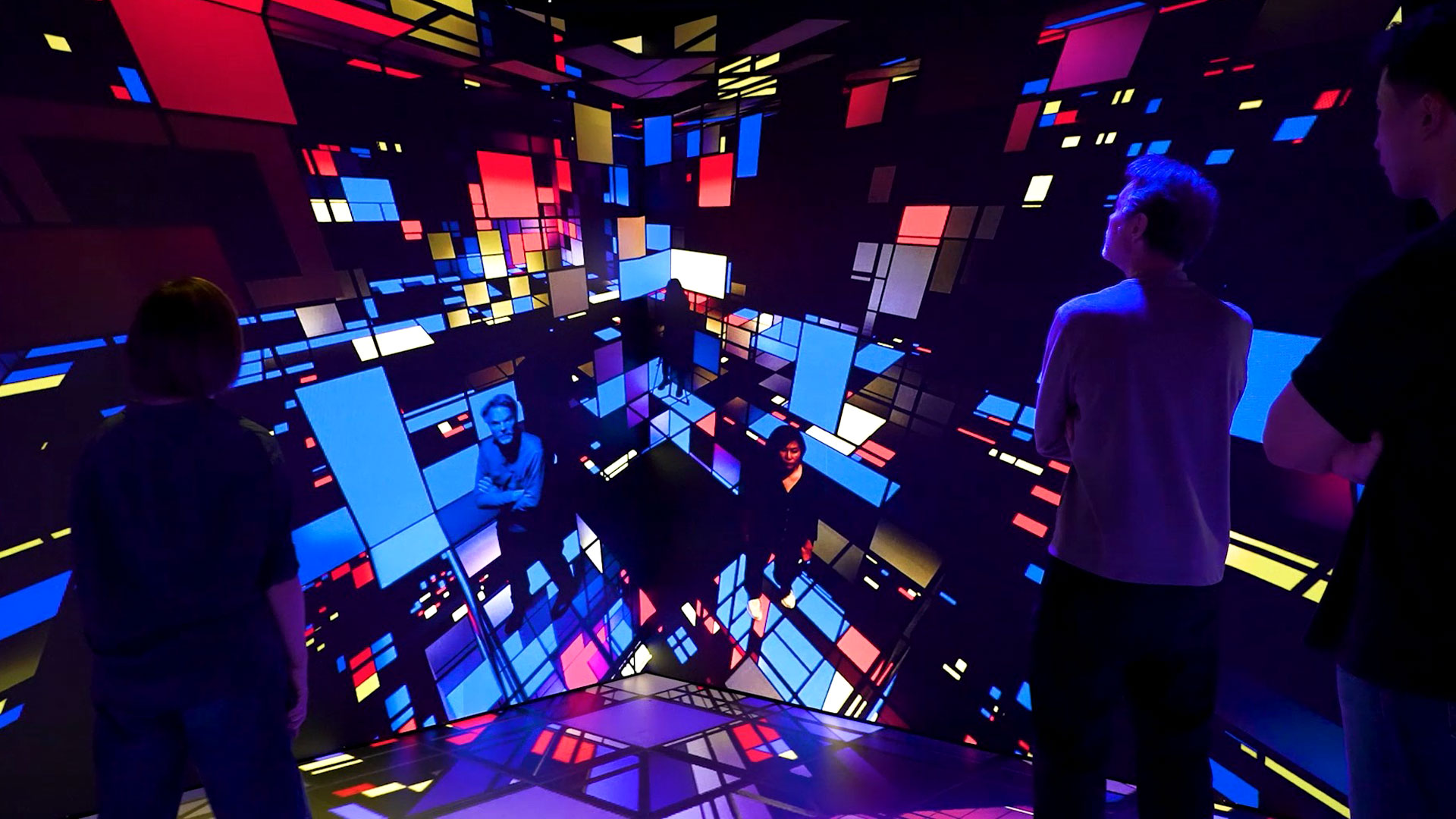
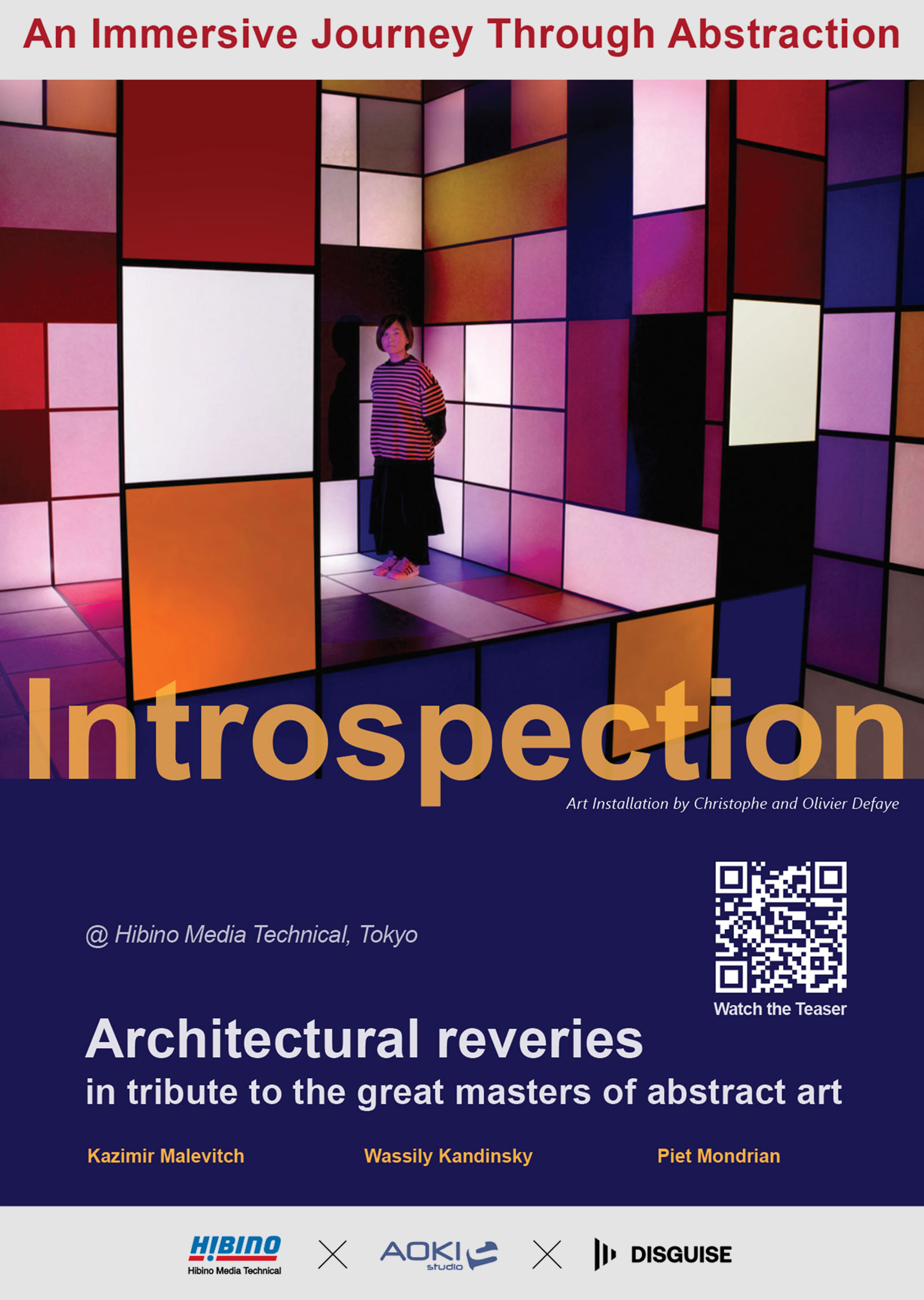
The installation invites visitor-performers to stage themselves simultaneously within a real space and a virtual space. Visitors are invited to move through a fully empty 20 sqm square space made up of LED screen walls. A camera films the visitors, who discover their image in real time, as if in a mirror, on the LED screens, integrated into a virtual space in constant evolution.
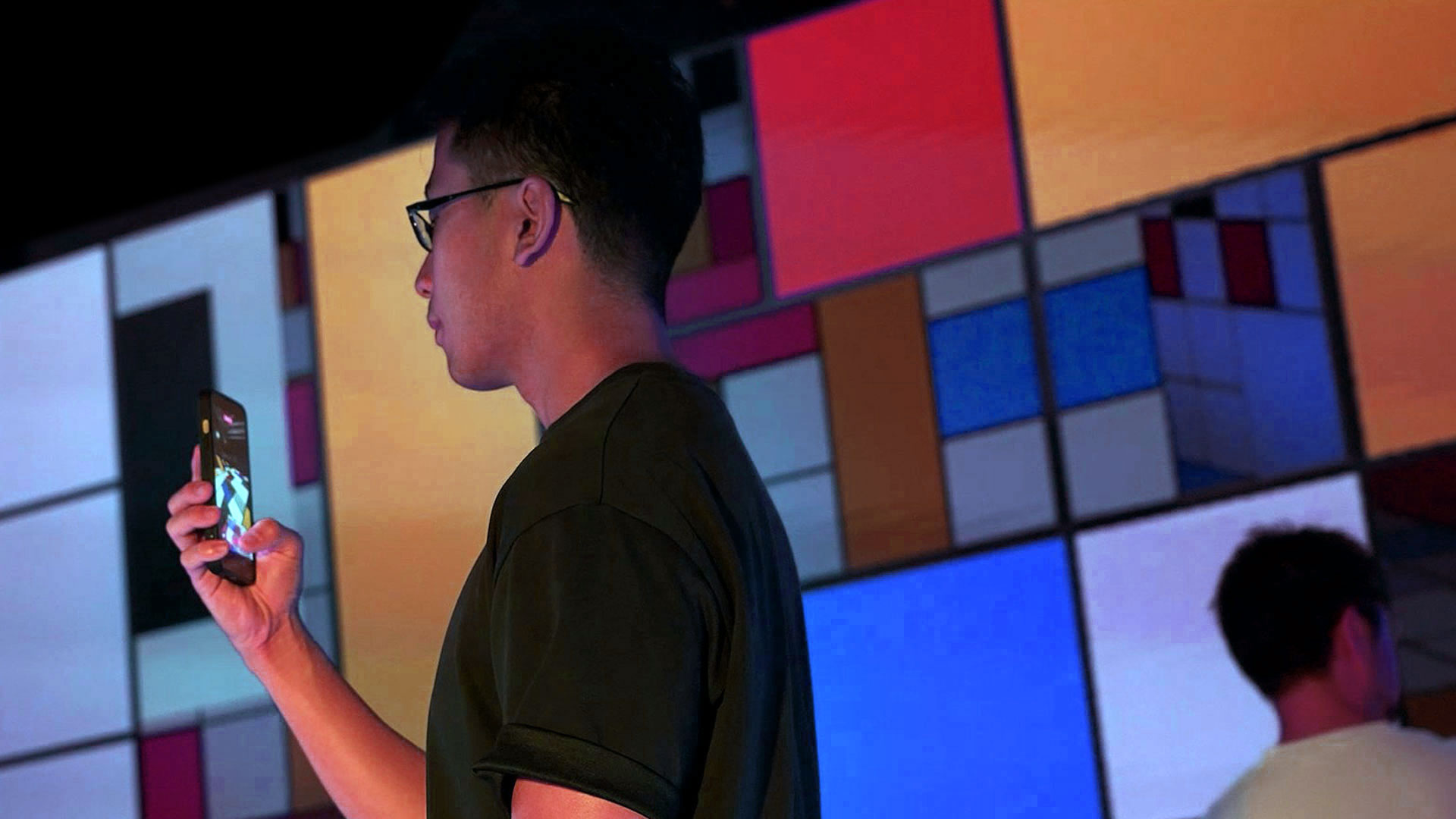
Visitors are invited to film themselves with their smartphone, either by filming the screen in front of them, which represents them within the virtual space, or by taking a selfie within the real space.
They are also naturally led to observe one another and to film each other, both in the real space and in the virtual space. The installation is not a static object, but a performative and participatory experience.
Visitors may stay in the space for as long as they wish, sit down, lie down, or simply move through it.
A Homage to the Great Masters of Abstract Art
The installation pays homage to three great masters of abstract painting (Kazimir Malevich, Wassily Kandinsky and Piet Mondrian) and interprets their respective universes in the form of architectural reveries. These architectural reveries are neither a reproduction nor an animated version of masterpieces of abstract art, but a form of introspection into these pictorial worlds — exploring their logic, structures, internal mechanisms, and immersive potential — in order to transform them into environments and experiences to be lived.
Installation 1 — Black Square in White Space
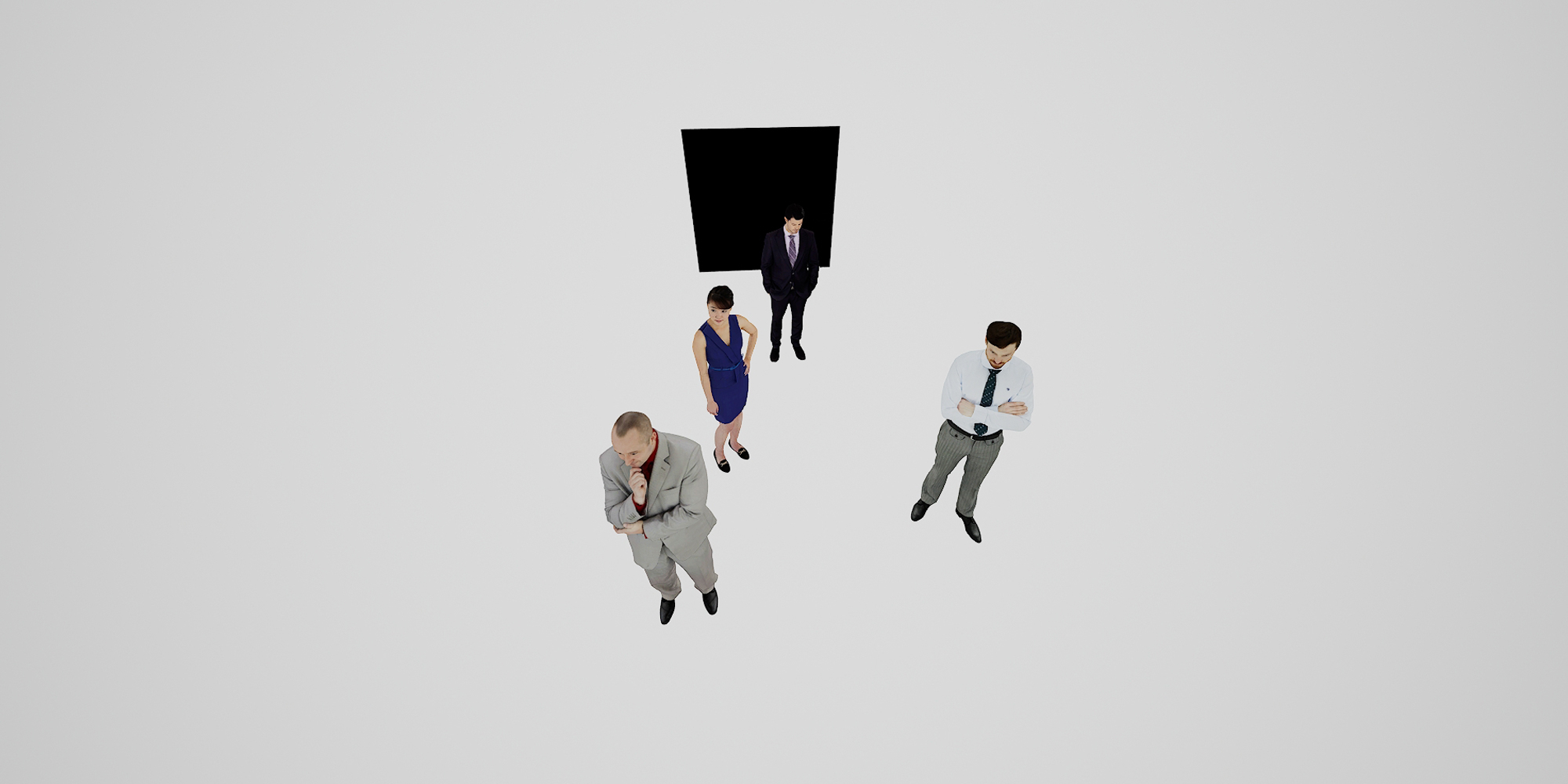
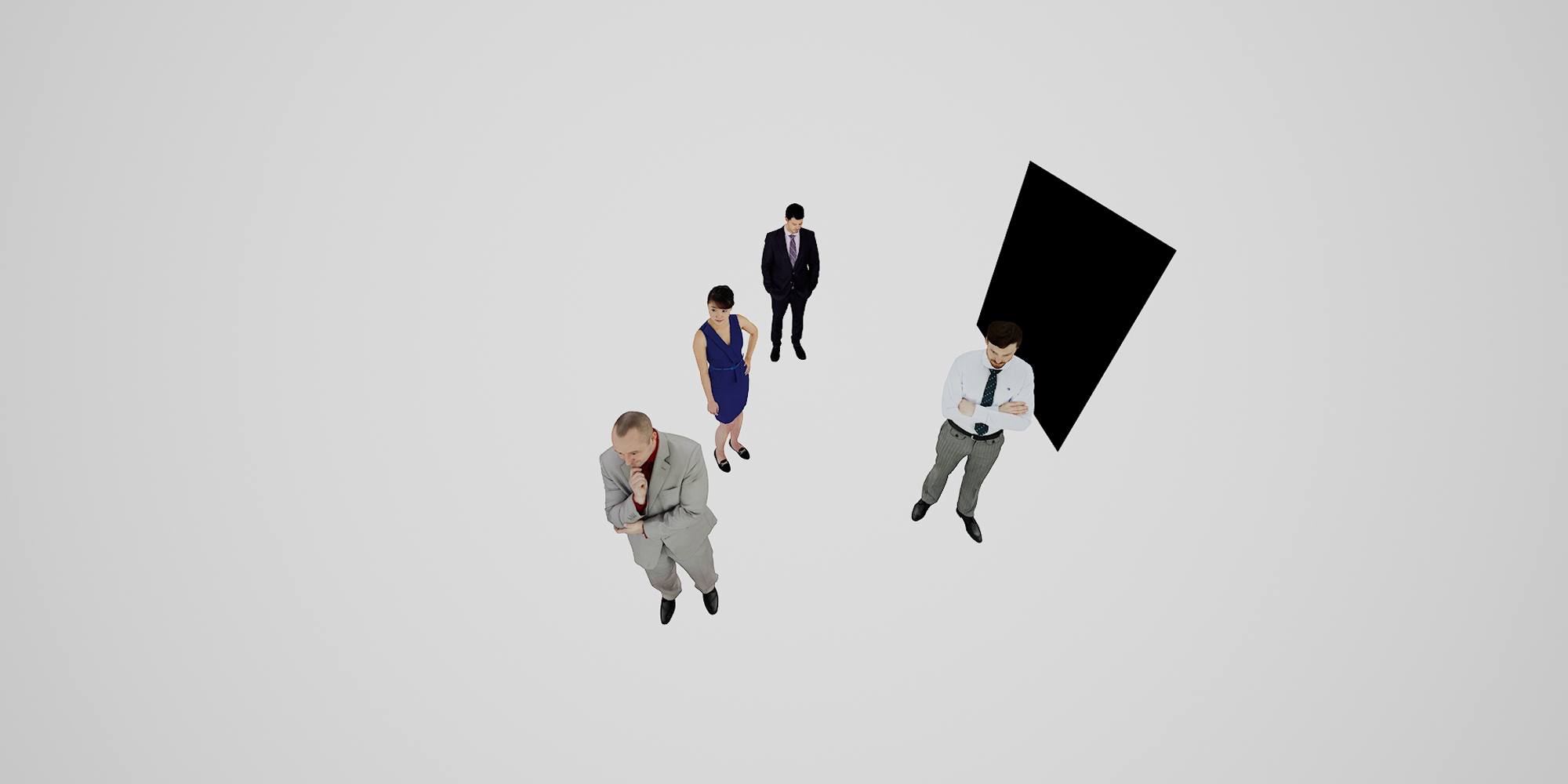

Black Square in White Space is an installation in homage to Black Square on White Background, the iconic work of abstract art created by the Russian painter Kazimir Malevich in 1915. Through its radical simplicity, the painting marked a decisive break in the history of art, freeing painting from the representation of the visible world.
In the installation, a black square orbiting within a white space revolves around the visitor. The square disappears when it moves behind the visitor and reappears when it moves in front of them. This effect blurs the boundary between projected image and physical presence, disrupts spatial reference points, and invites visitors to question their own position: Am I standing in front of an image projected onto a screen, or am I myself inside the screen?
The installation's camera is mounted high above, at the corner where the two LED screen walls meet, as a reference to the mystical dimension of Malevich's work. When first exhibited, the painting was hung high in the corner of the gallery, a location traditionally reserved for religious icons in Russian homes. As in the 1915 exhibition, visitors are encouraged to look upward.
The installation's soundscape features an excerpt from the 1937 film Drôle de drame, including Jacques Prévert's famous line, performed by Louis Jouvet, « Bizarre, bizarre… », which reinforces the installation's strange and minimalist atmosphere.
Installation 2 — Space with Yellow, Red, Black, Blue and Grey
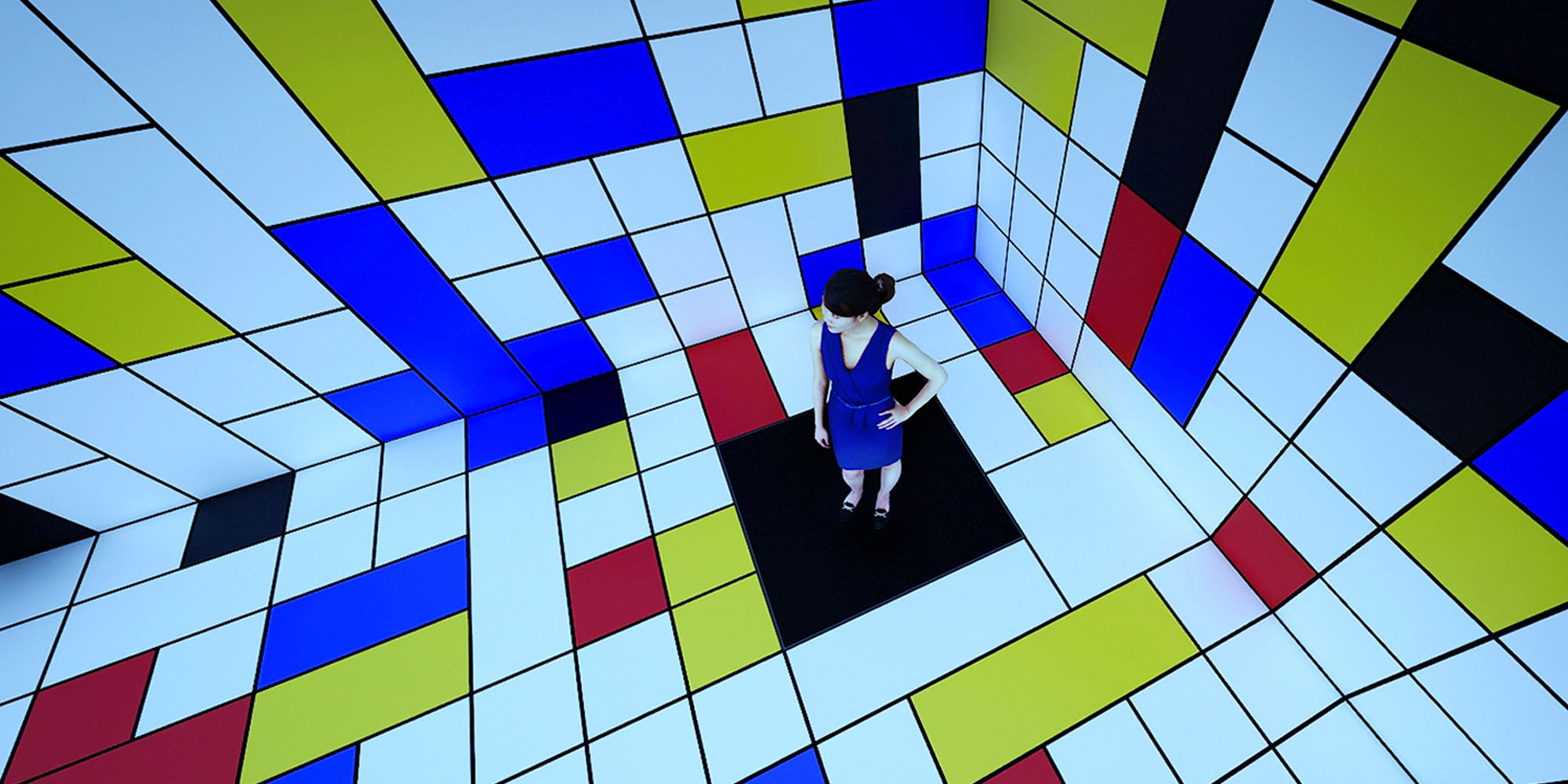
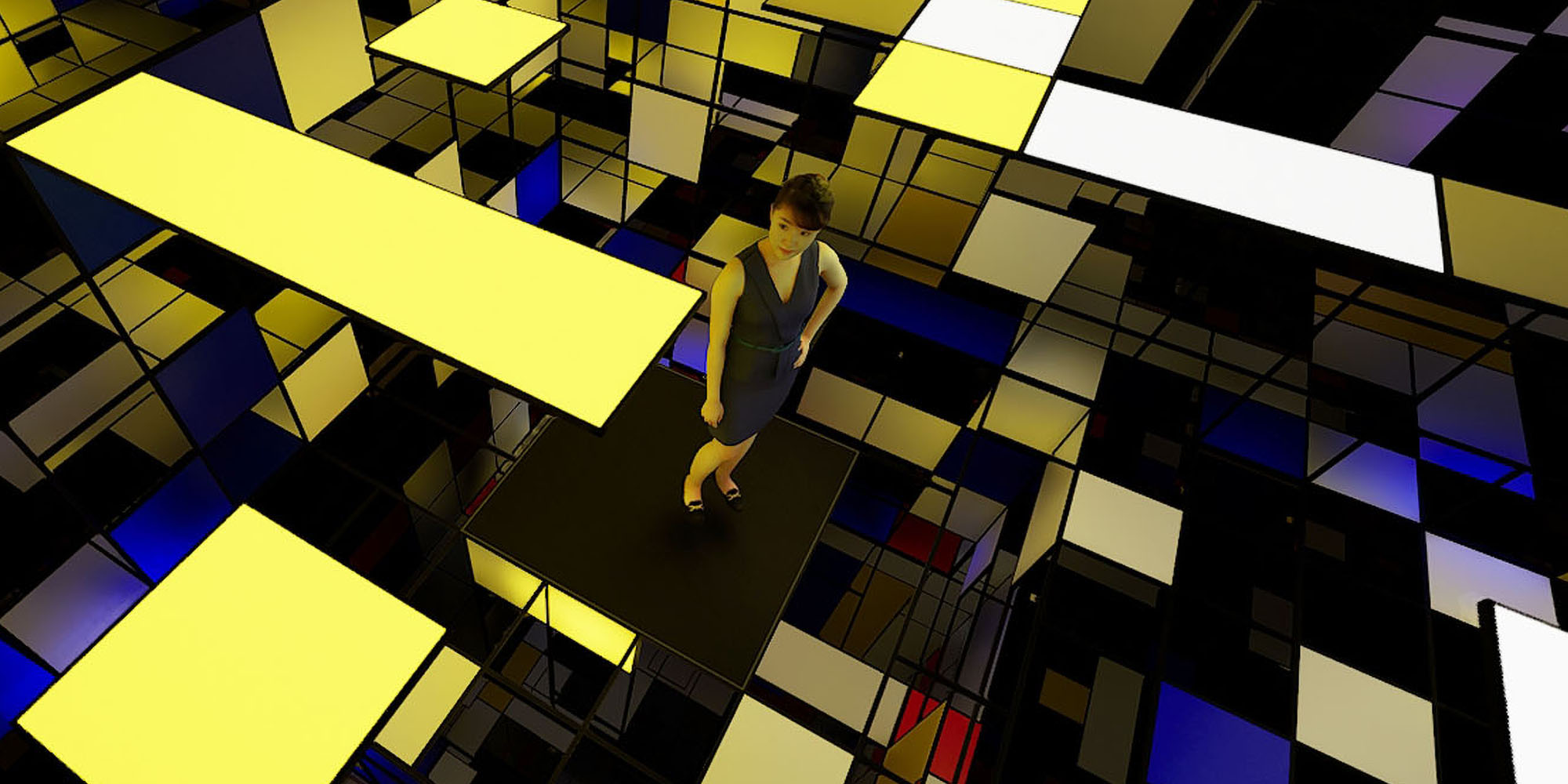
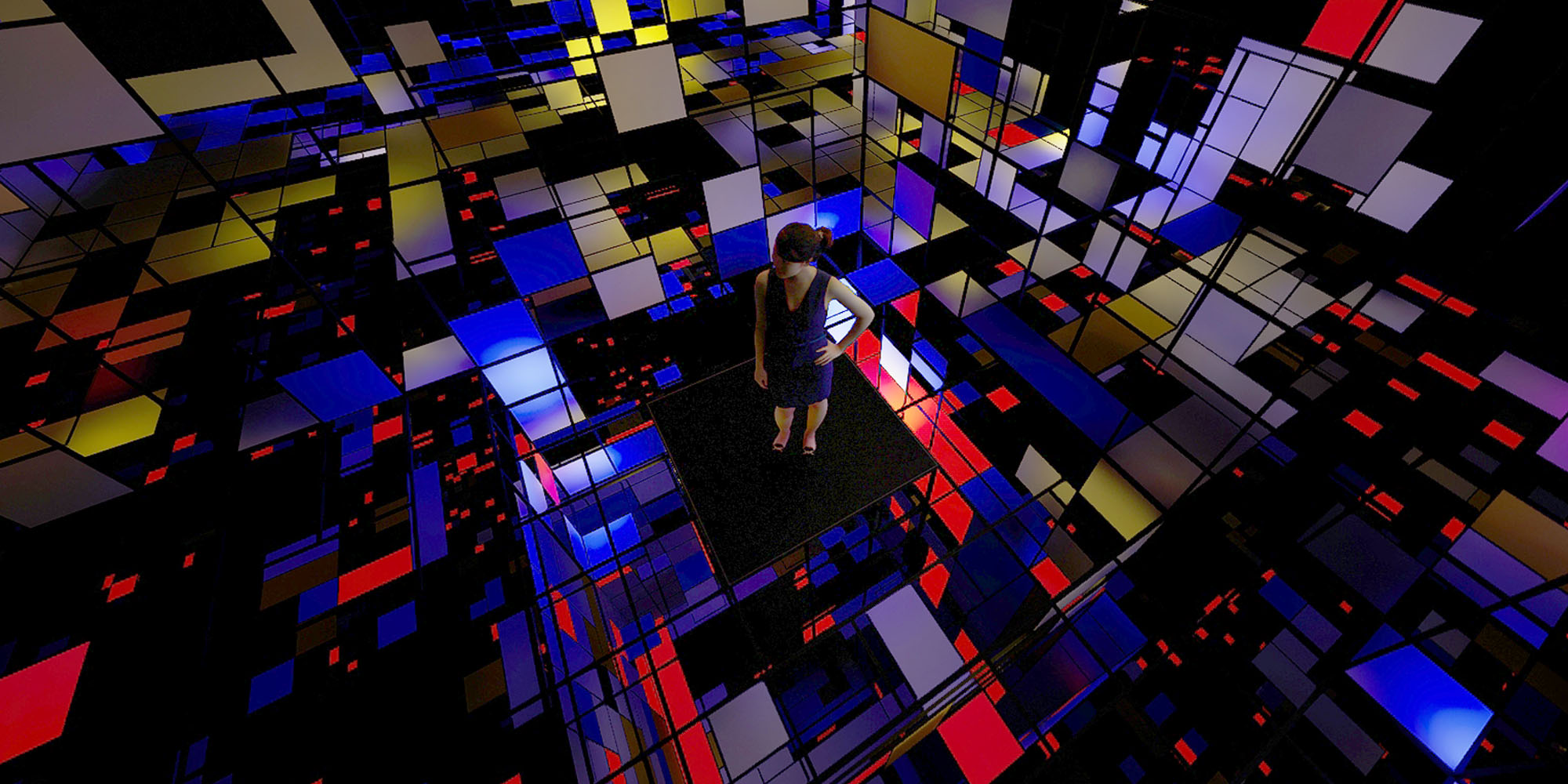
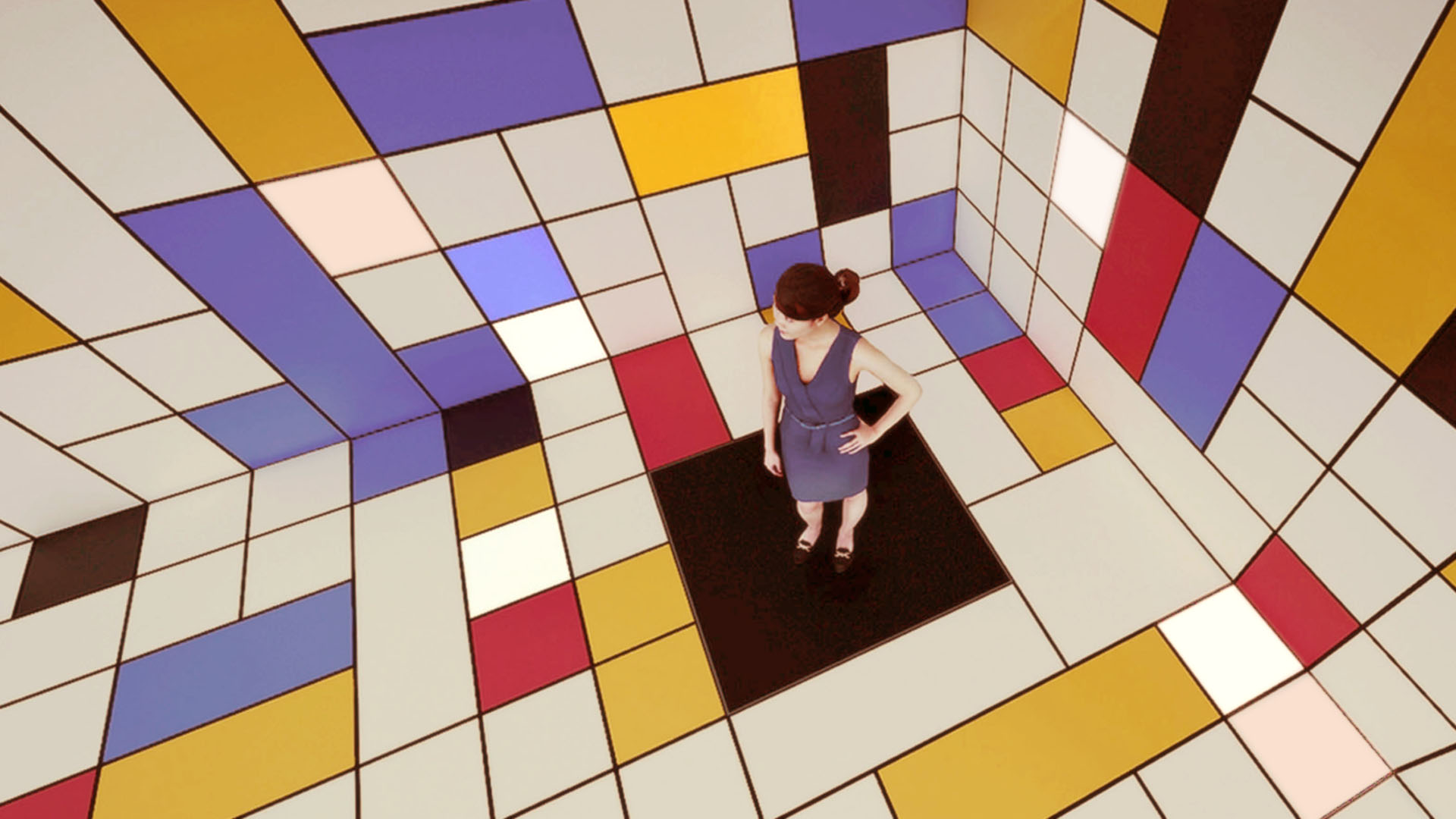
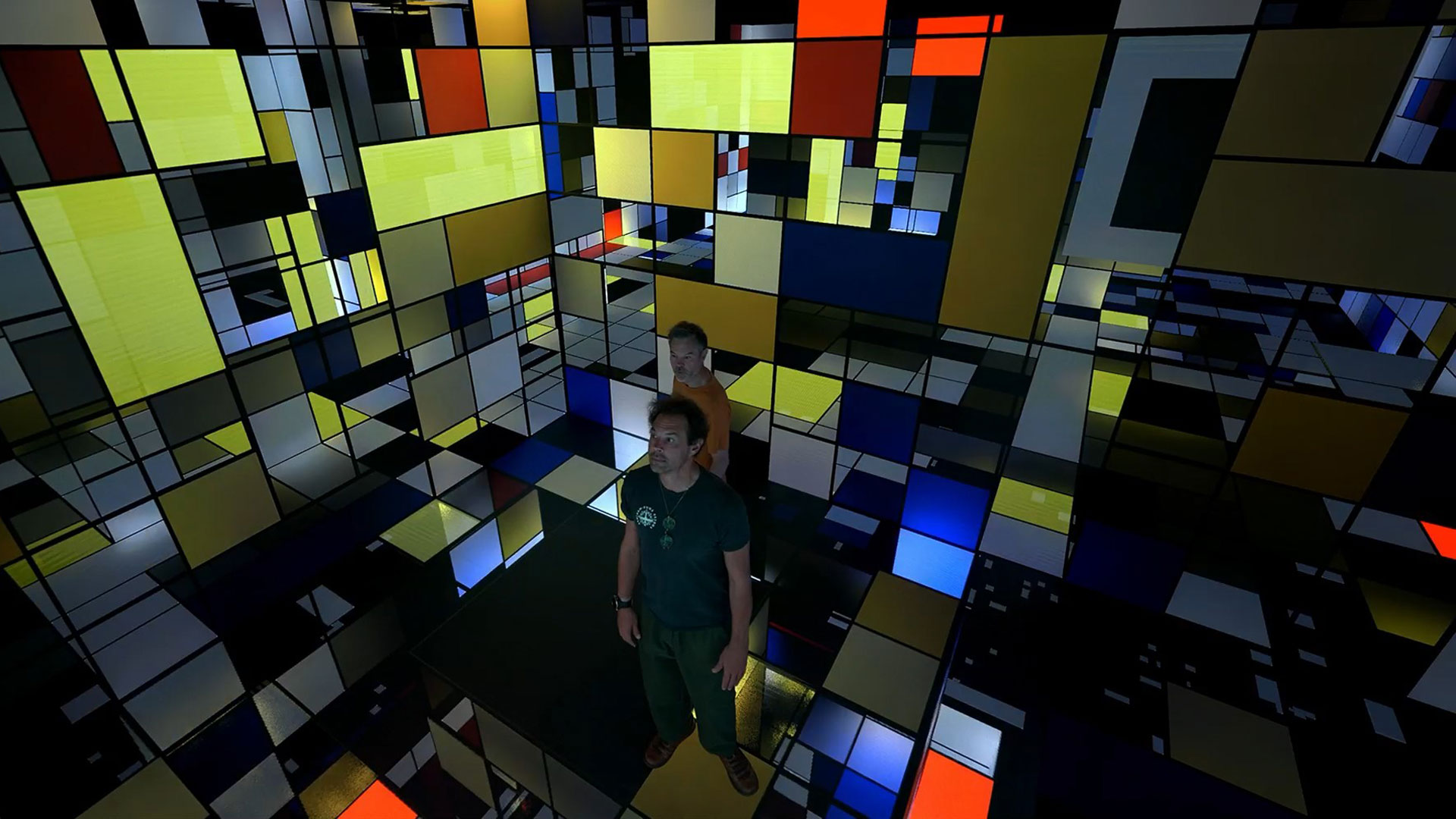
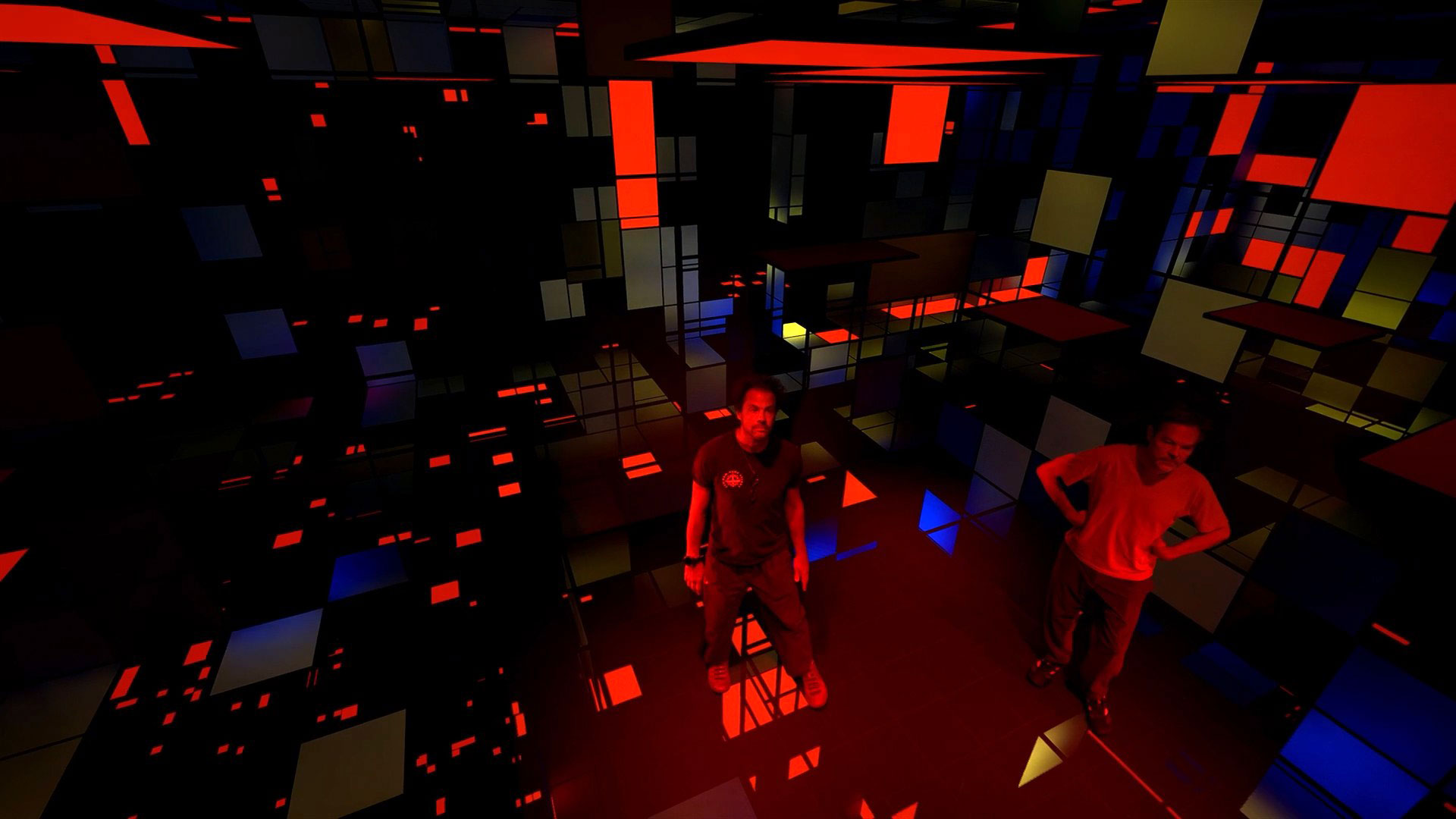
The installation in homage to Piet Mondrian invites visitors to move through a space composed of rectangular geometric forms and primary colors, red, blue, and yellow, characteristic of the artist's visual language. What initially appears to be a two-dimensional environment gradually transforms into a three-dimensional space.
Lines and planes, in constant evolution, seem to extend beyond the limits of the physical environment, creating the impression of an infinite architecture in which the visitor becomes an integral element of the composition.
Space with Yellow, Red, Black, Blue and Grey is an installation in homage to Piet Mondrian and to works such as Composition with Yellow, Red, Black, Blue and Gray (1920), composed of vertical and horizontal lines, rectangular geometric forms, and primary colors.
Piet Mondrian's visual universe suggests an architectural order, as if each composition were only a fragment of a much larger structure. The installation invites visitors to imagine the infinite space that might emerge behind these geometric forms if each of them were to disappear one after another.
The installation's soundscape features the piano piece Oiseaux tristes, composed by Maurice Ravel in 1904. Ravel explained that he intended the work to evoke “birds lost in a dark forest.”
Installation 3 — Waltz of Shapes
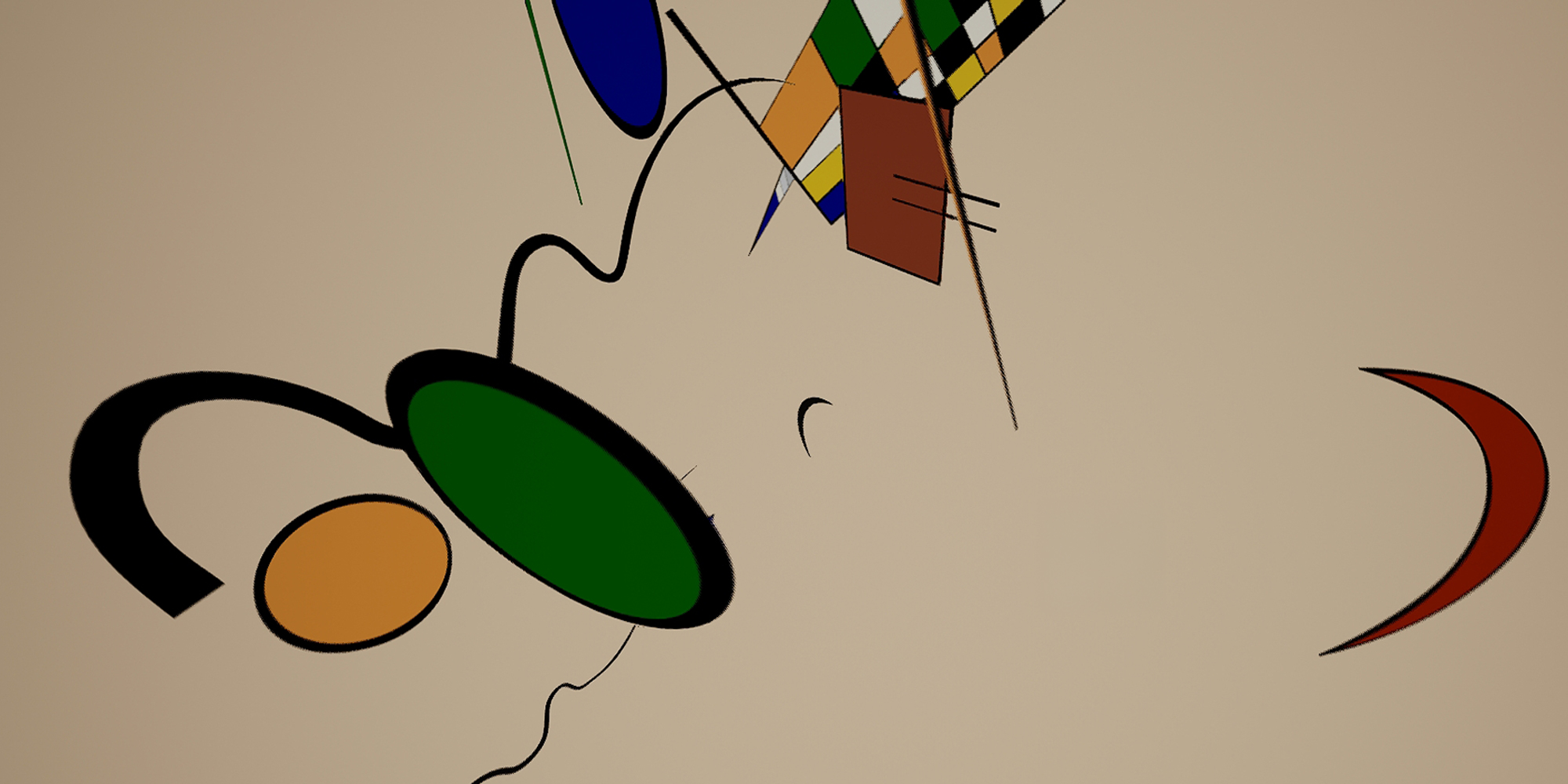
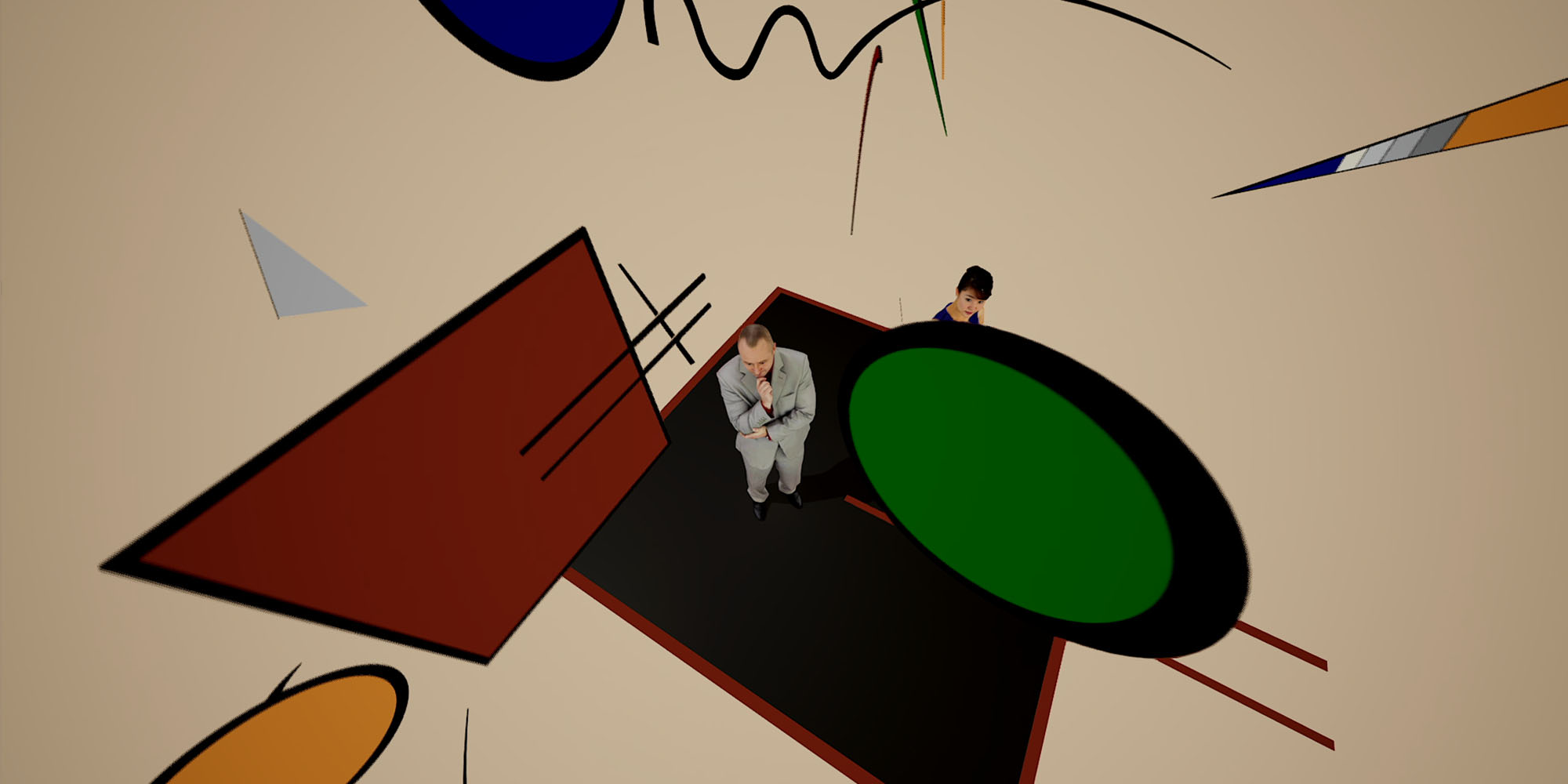
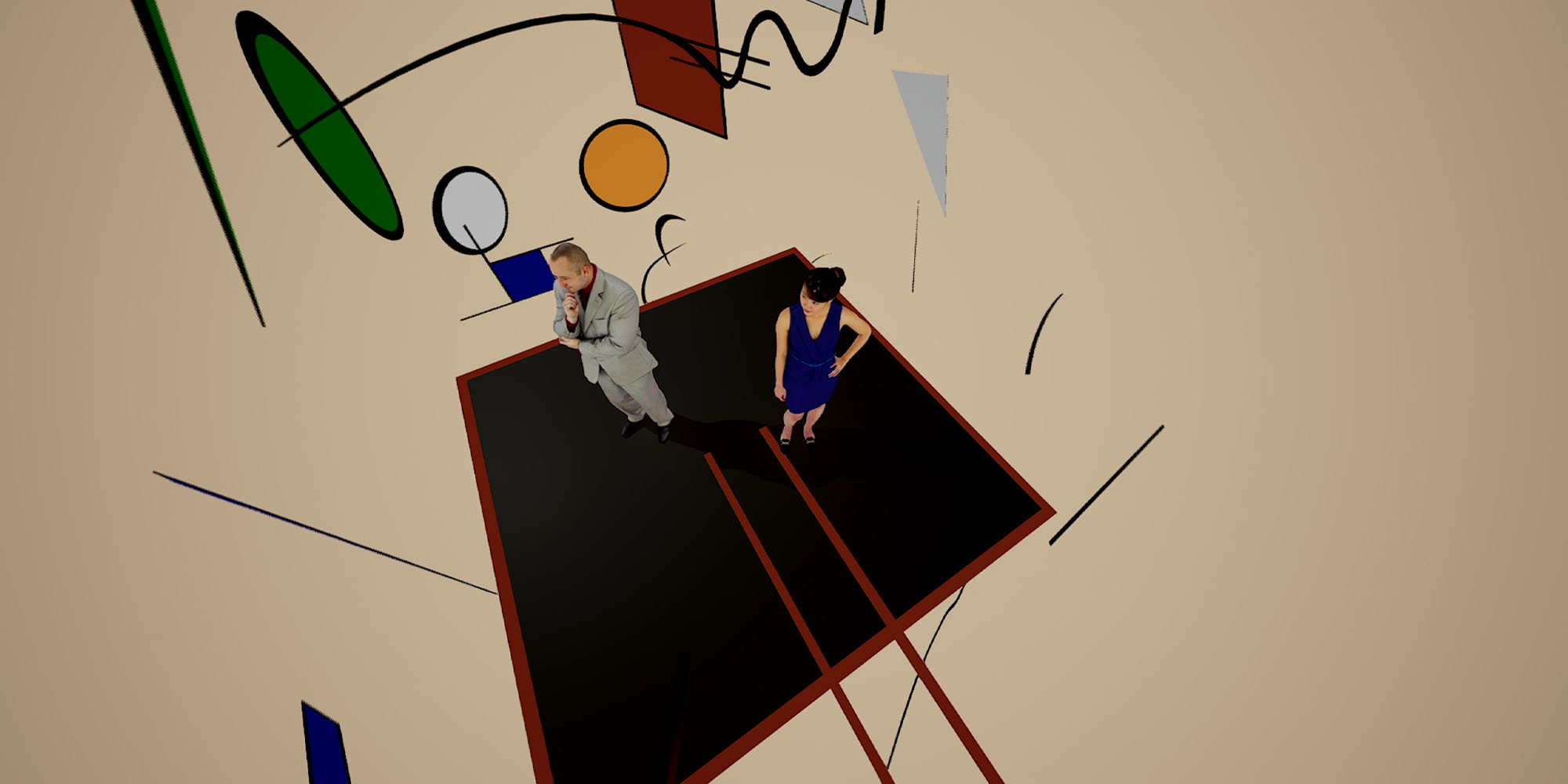
Waltz of Shapes is an installation in homage to Wassily Kandinsky and to his abstract works, particularly Composition VIII (1923). Positioned at the center of a mobile in perpetual motion, visitors themselves become elements of the installation.
The installation's soundscape features the French song Mon homme, written in 1920 by Albert Willemetz and performed by Mistinguett.
A Homage to the Great Masters of Abstract Art
Introspection is an immersive installation created as a tribute to the great masters of abstract painting.
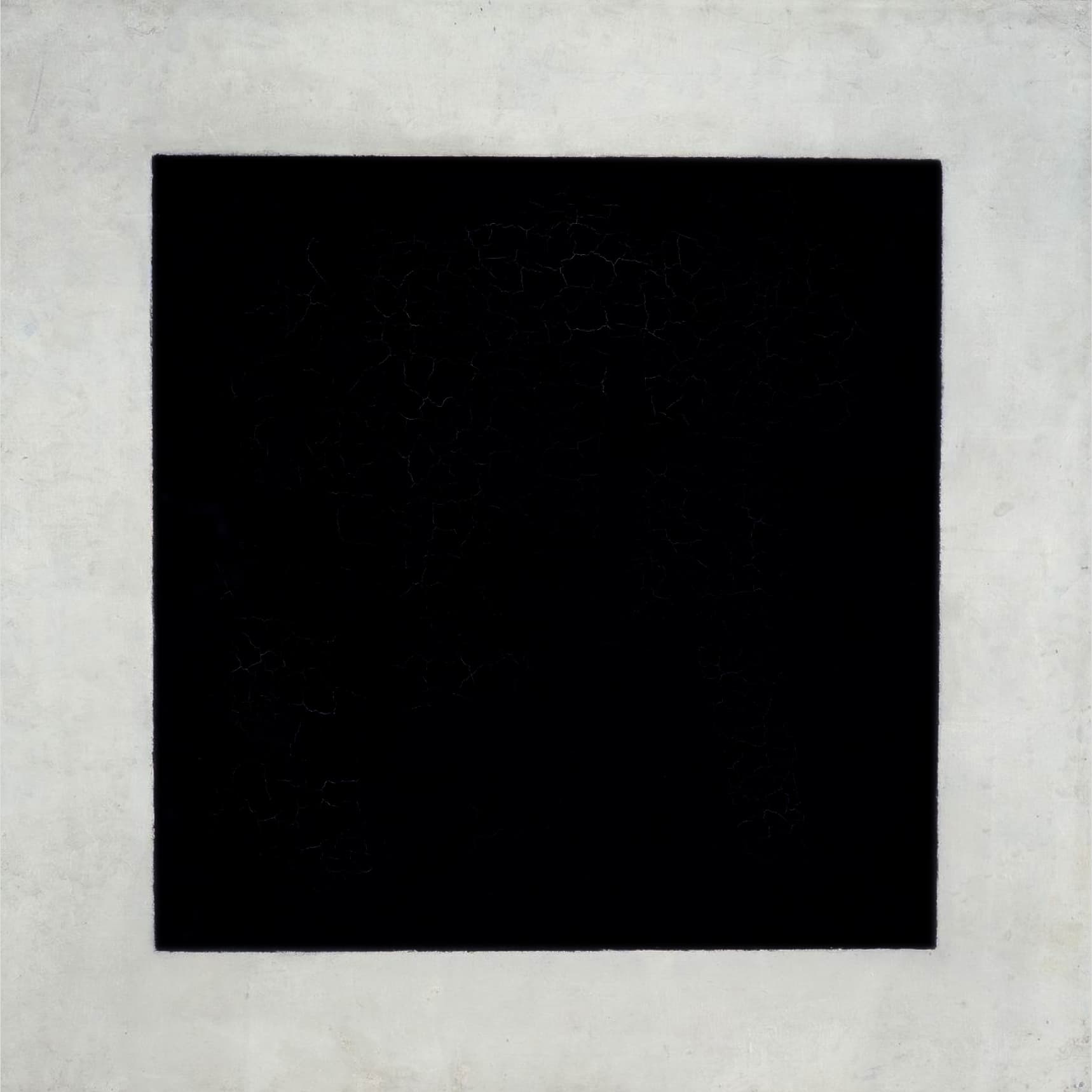
Kazimir Malevich — Black Square, 1921
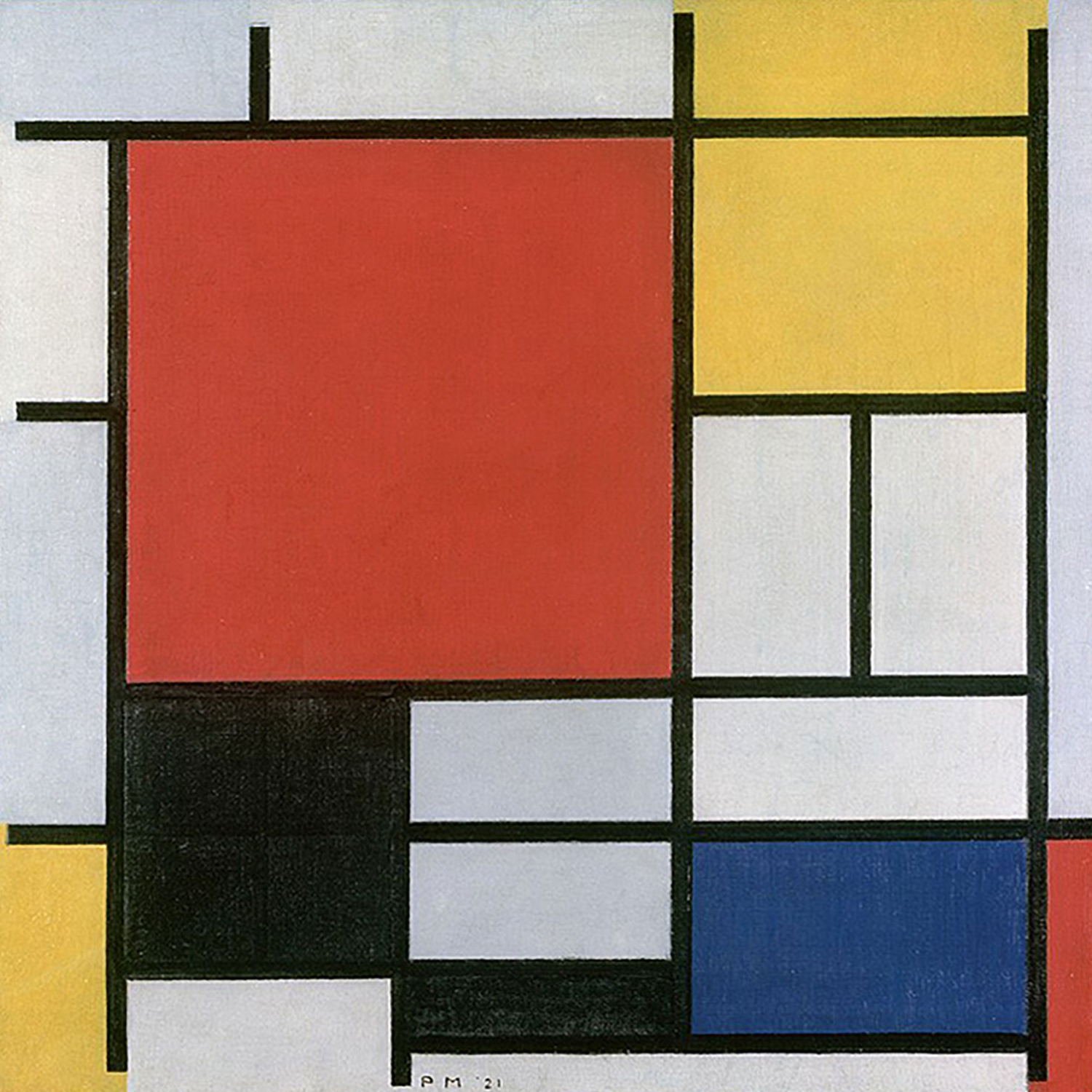
Piet Mondrian — Composition, 1921
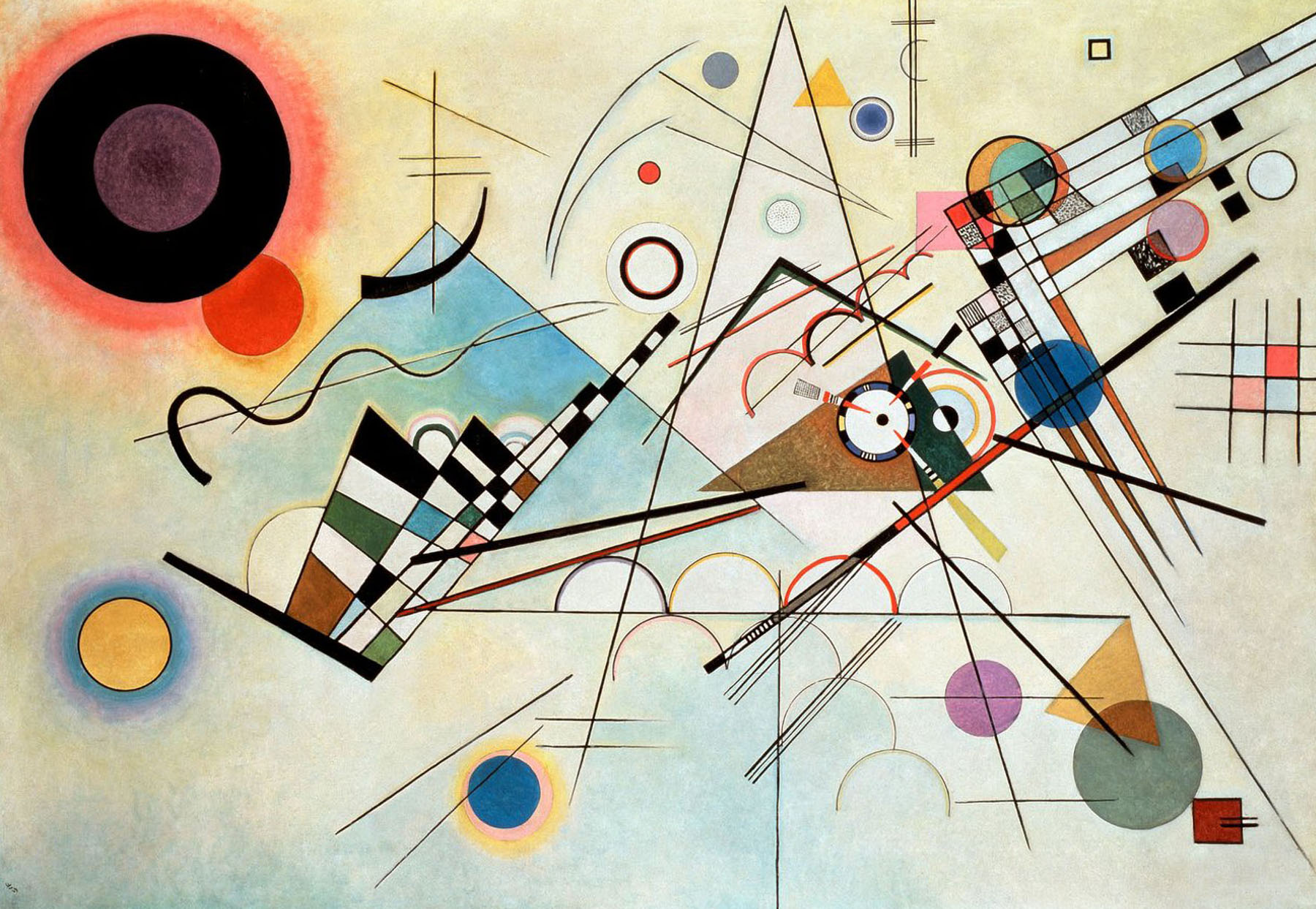
Wassily Kandinsky — Composition VIII, 1923
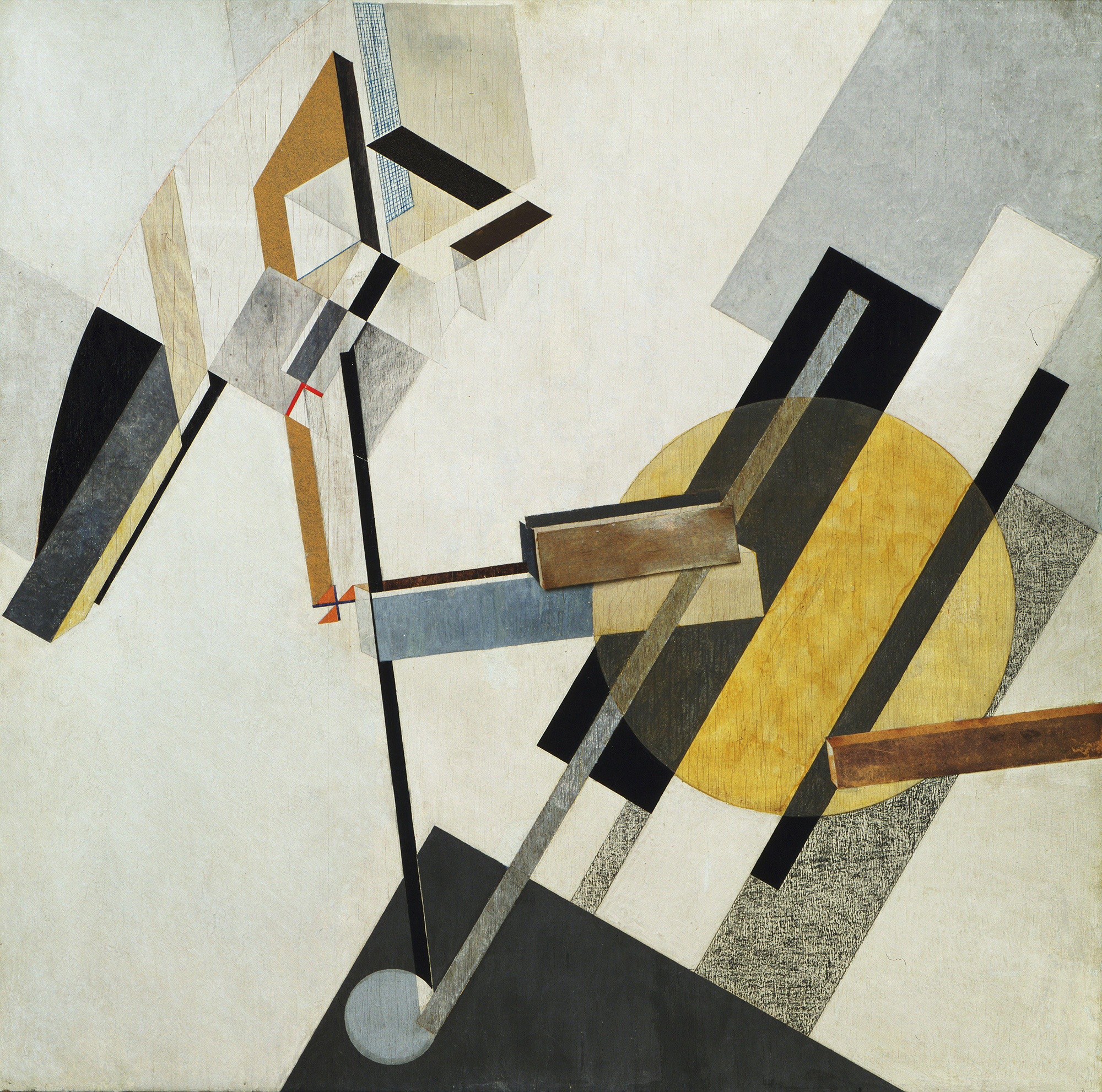
El Lissitzky — Proun 19D, 1922
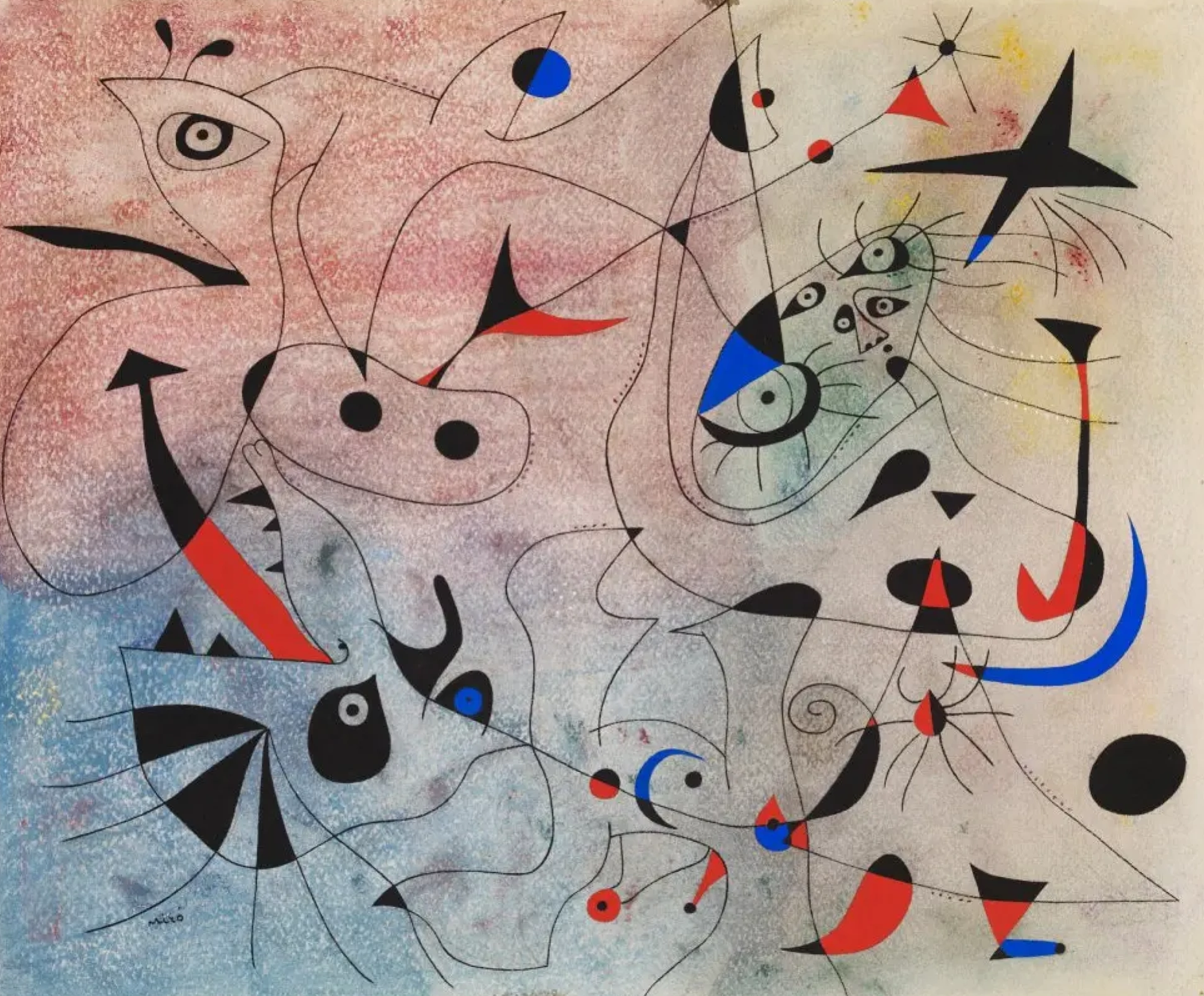
Joan Miró — The Morning Star, 1940
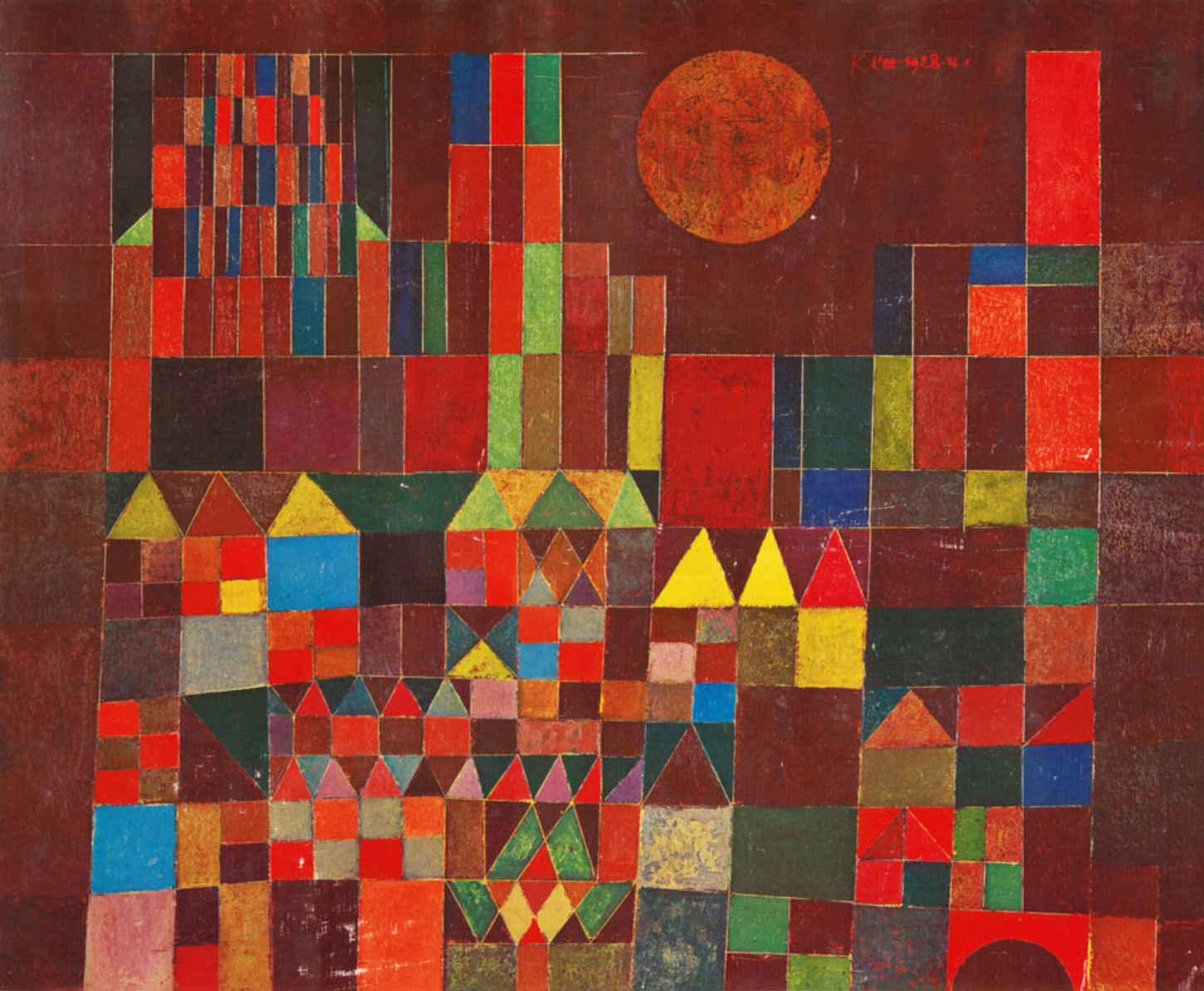
Paul Klee — Castle and Sun, 1928
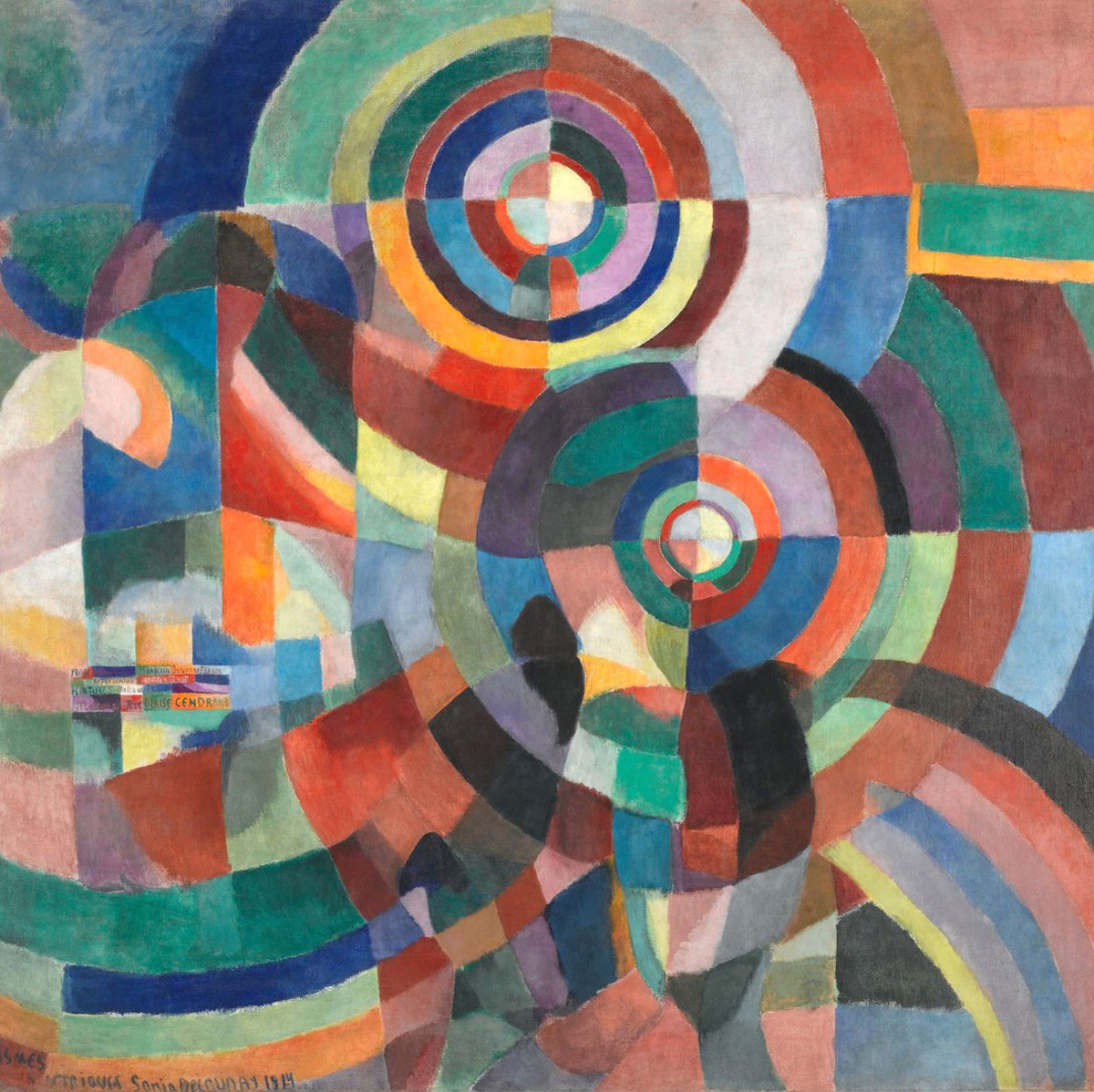
Sonia Delaunay — Prismes électriques, 1914
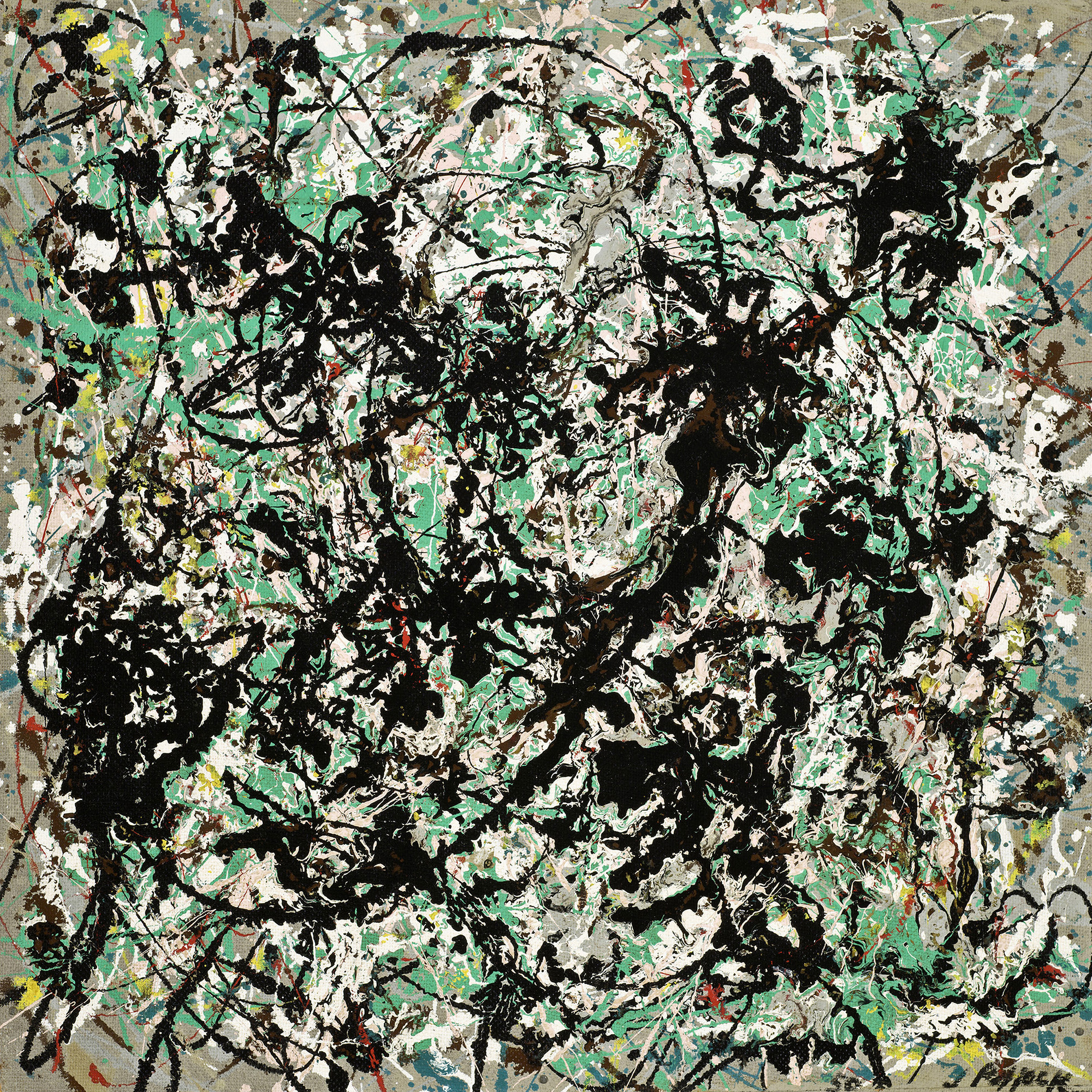
Jackson Pollock — Numéro 15, 1950
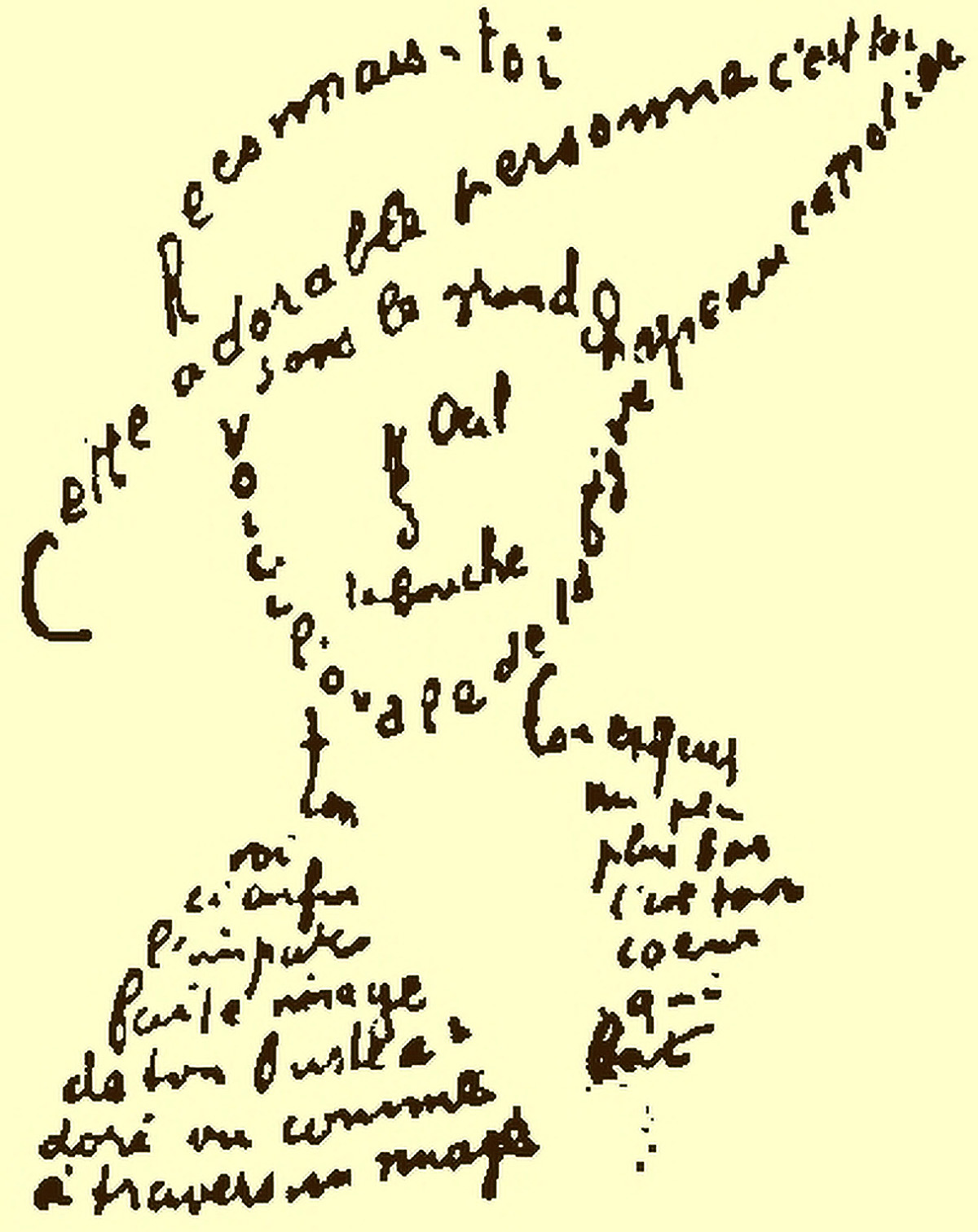
Guillaume Apollinaire — Poèmes à Lou, 1915
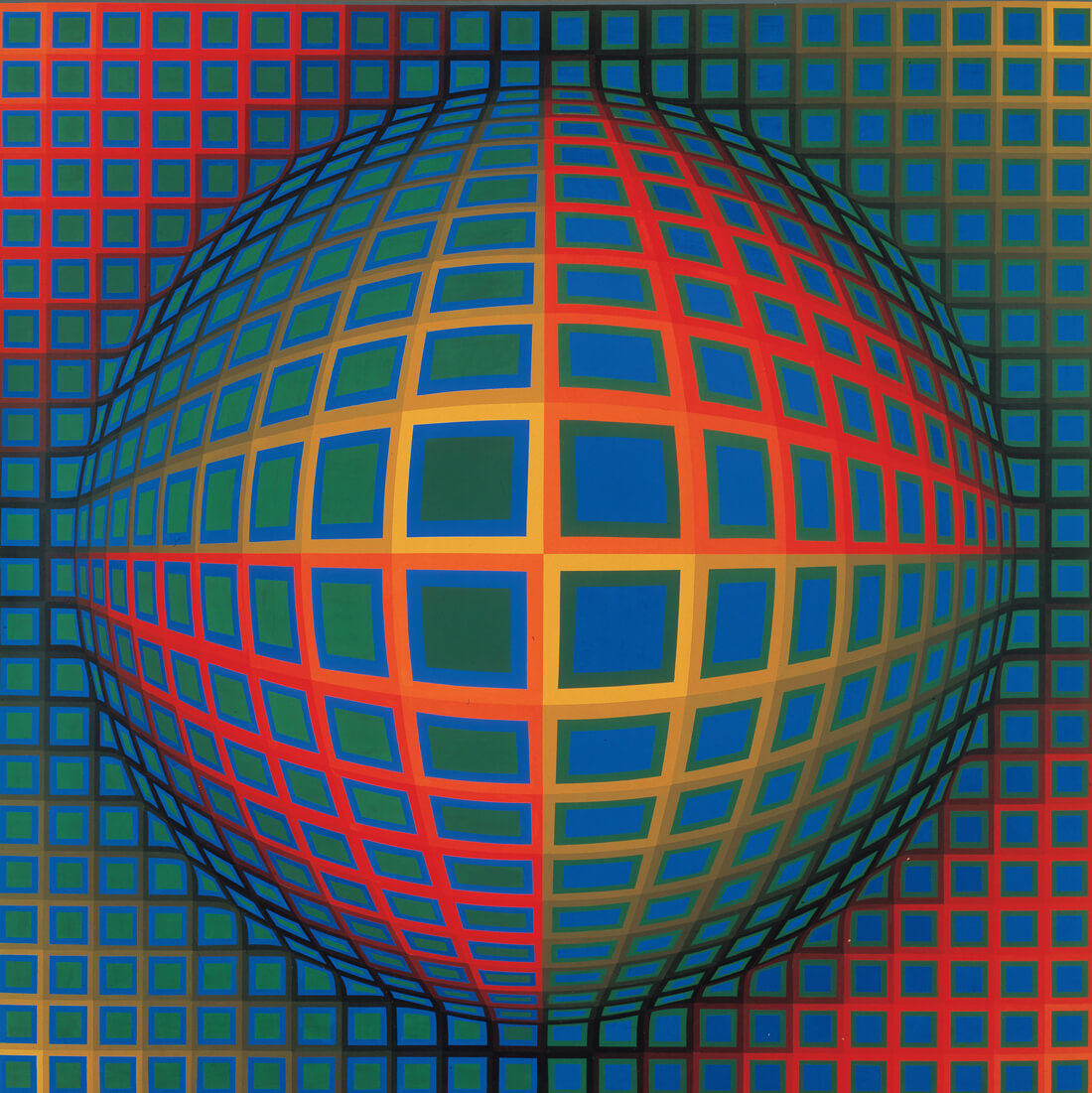
Victor Vasarely — Vega-Nor, 1969
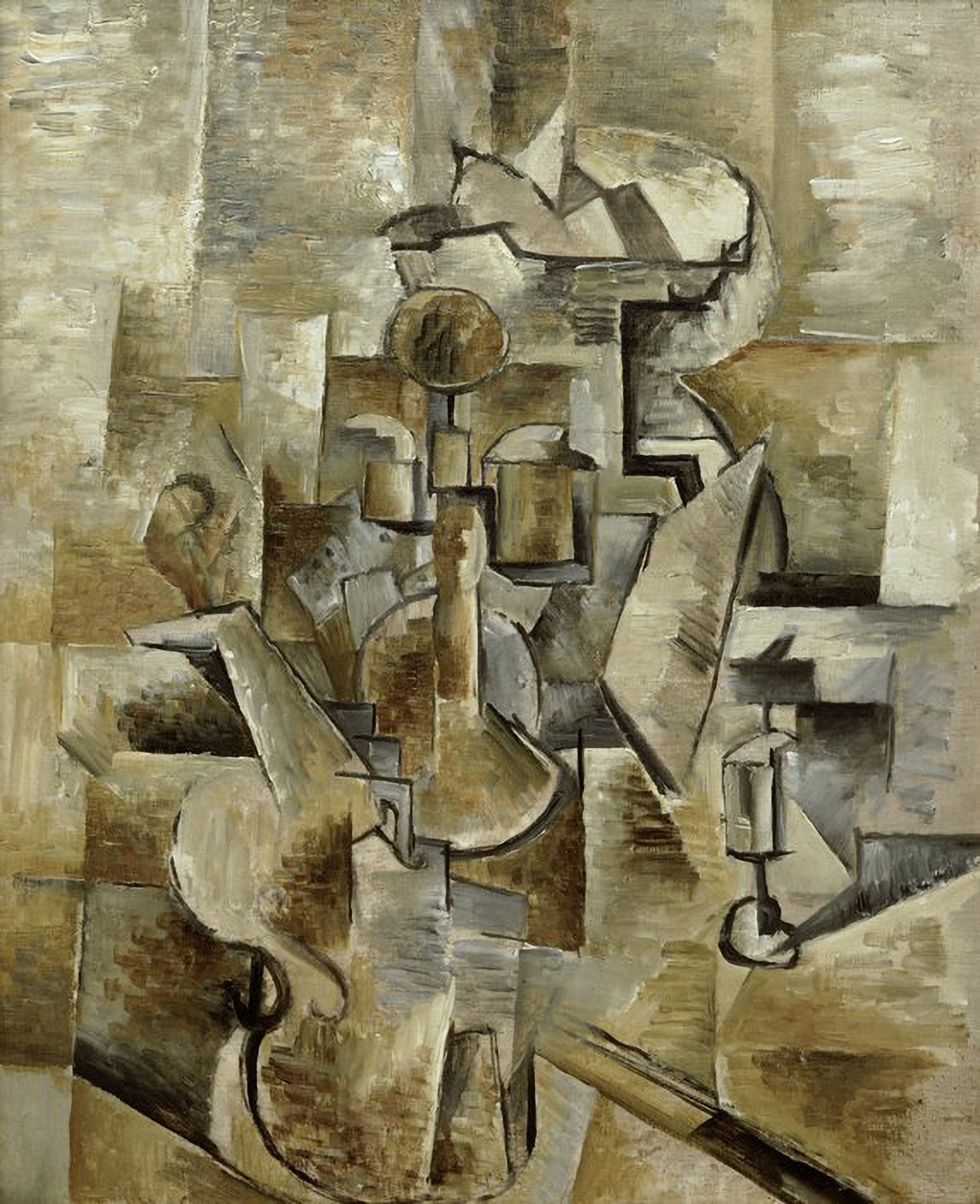
Georges Braque — Violin and Candlesticks, 1910
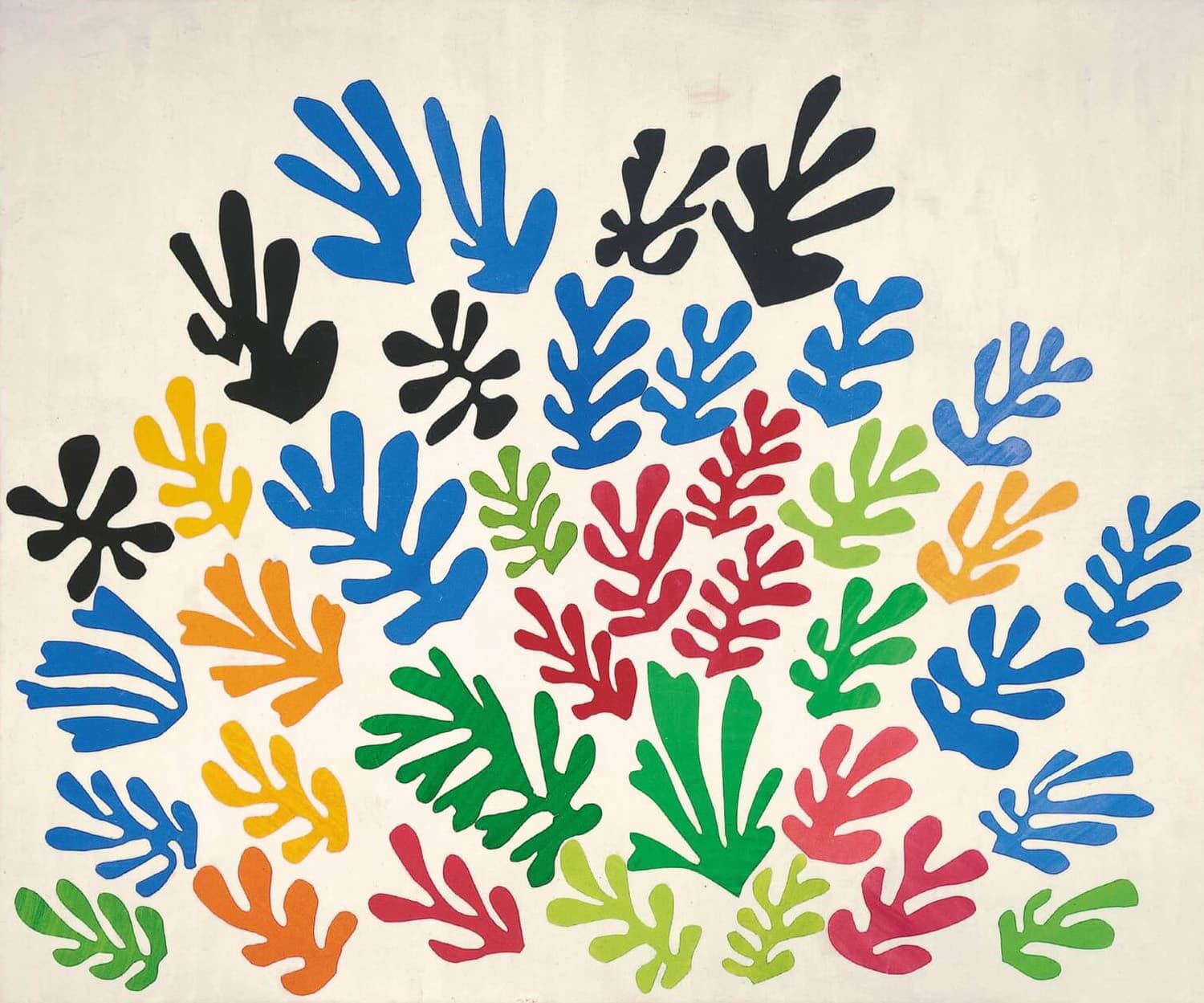
Henri Matisse — La Gerbe, 1953
Scenographic Proposal
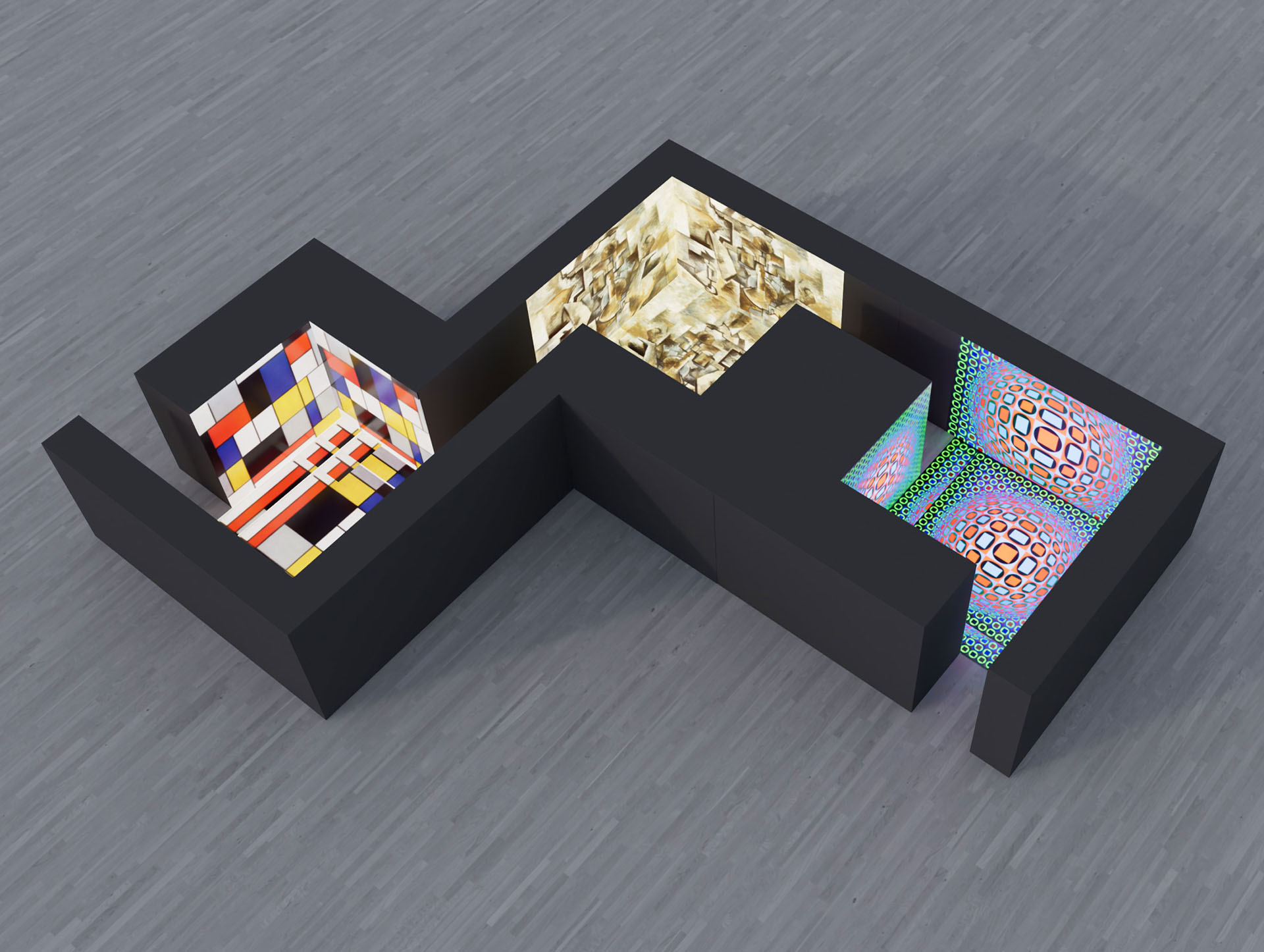
The Disguise xR system, combined with 2 LED video-return walls in which visitor-performers discover themselves, forms a module dedicated to touring exhibitions. This module can also be combined with other equivalent modules to create an installation of different sizes.
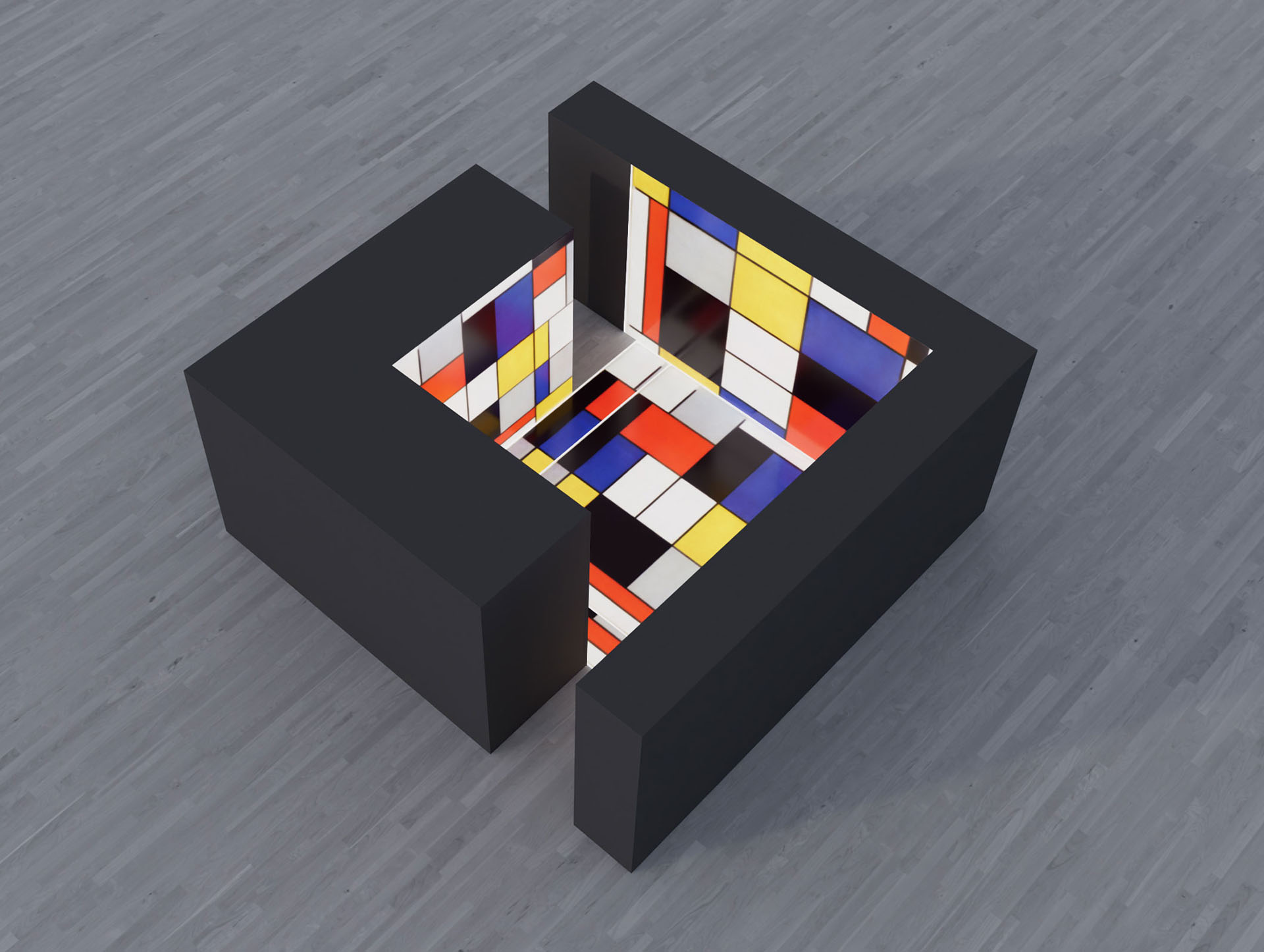
Module 1
Module 3
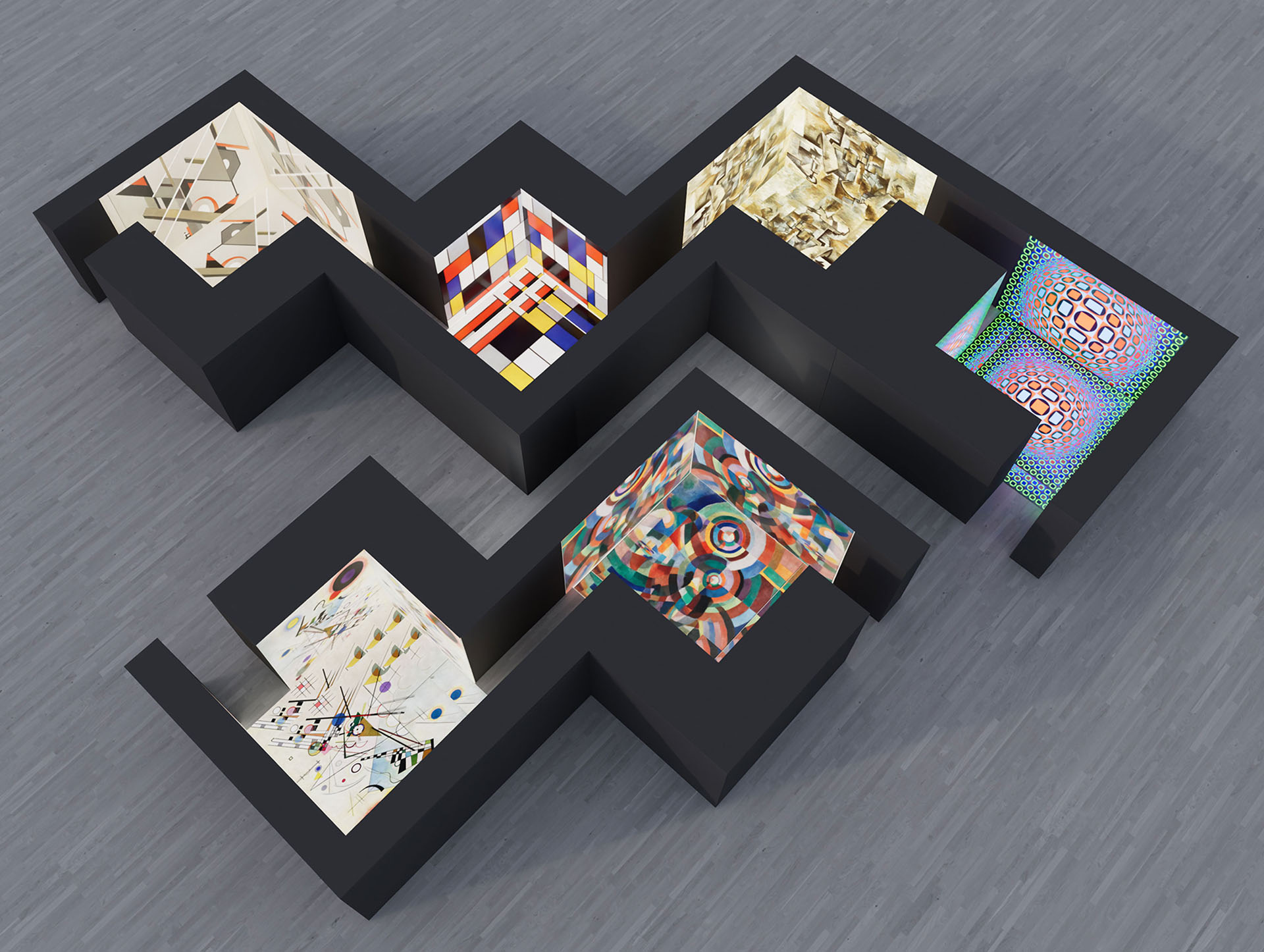
Module 5
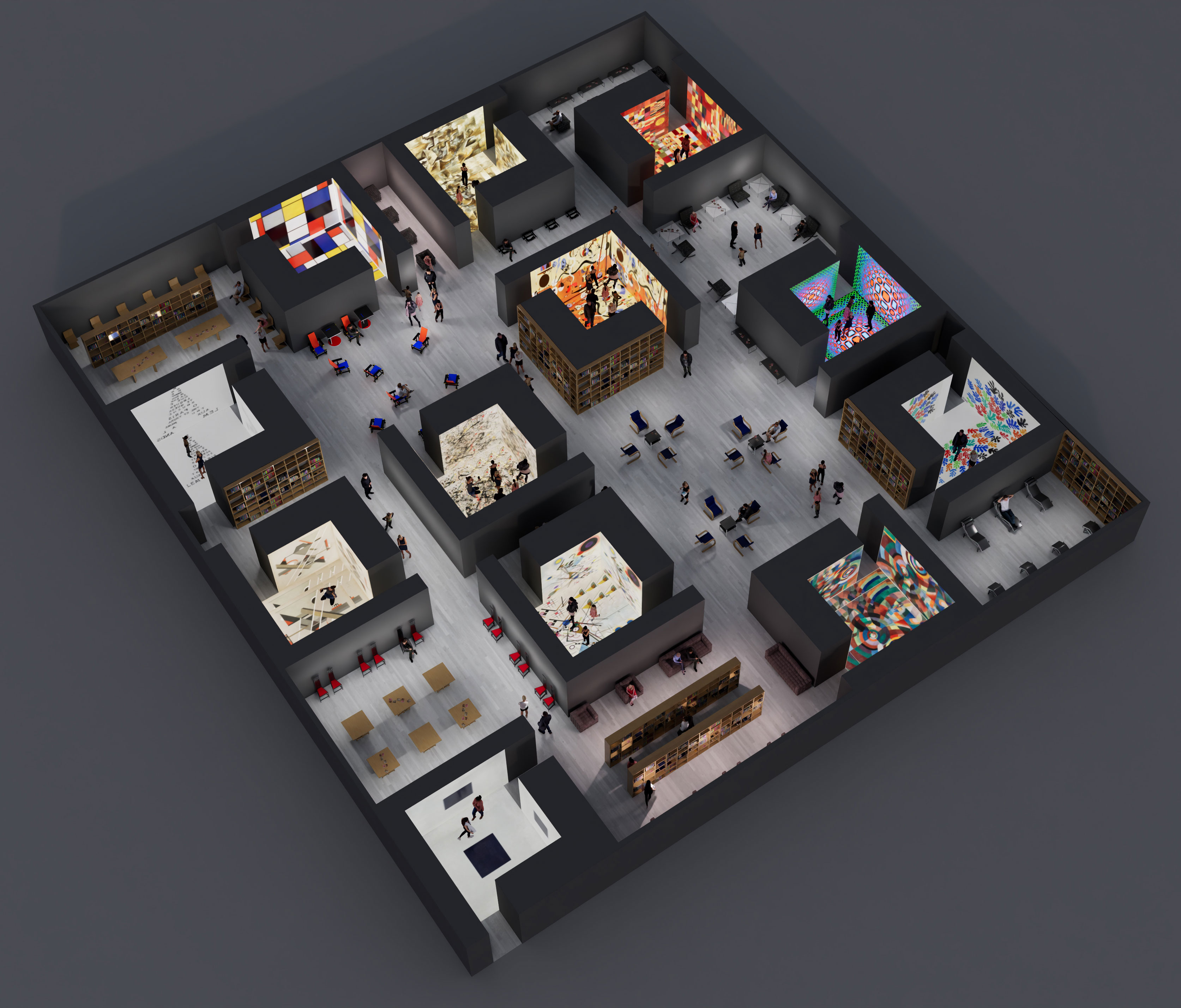
Immersive museum dedicated to modern art
On a larger scale, a museum conceived as a library dedicated to modern art, punctuated by immersive art installations. Each space reveals a unique artistic experience, offering a journey through the world of modern art.
A path that is not linear but rather labyrinthine, in which visitors will enjoy getting lost, seeing and revisiting the installations. The soundscape, as well as the furniture, all belong to the same era as the artists featured in the exhibition.
For example, following the immersive experience in homage to Piet Mondrian, visitors are invited to browse books about the artist and the Dutch De Stijl movement, in a space furnished with pieces by Gerrit Rietveld, an emblematic figure of the same artistic movement.
Credits
Art Installation
Christophe Defaye, Olivier Defaye
Content Production
AOKIstudio (https://aokistudio.com)
Content Producers: Makiko Aoki, Shigehiro Suwa
Special Thanks: Tatsuro Mitsui, Hirotaka Yamamori, Takamune Kawaai
System Architecture & Experience Engineering
Media Innovation Unit at Hibino Media Technical (https://www.media-t.co.jp)
Project Producer: Kenji Ogino
Technical Director: Hideki Okawara
Experience Engineers: Ken Higuchi, Tomohiro Hongo
Technology Partner
Disguise (https://www.disguise.one)
A huge thank you to Disguise for their support and for graciously providing their equipment.